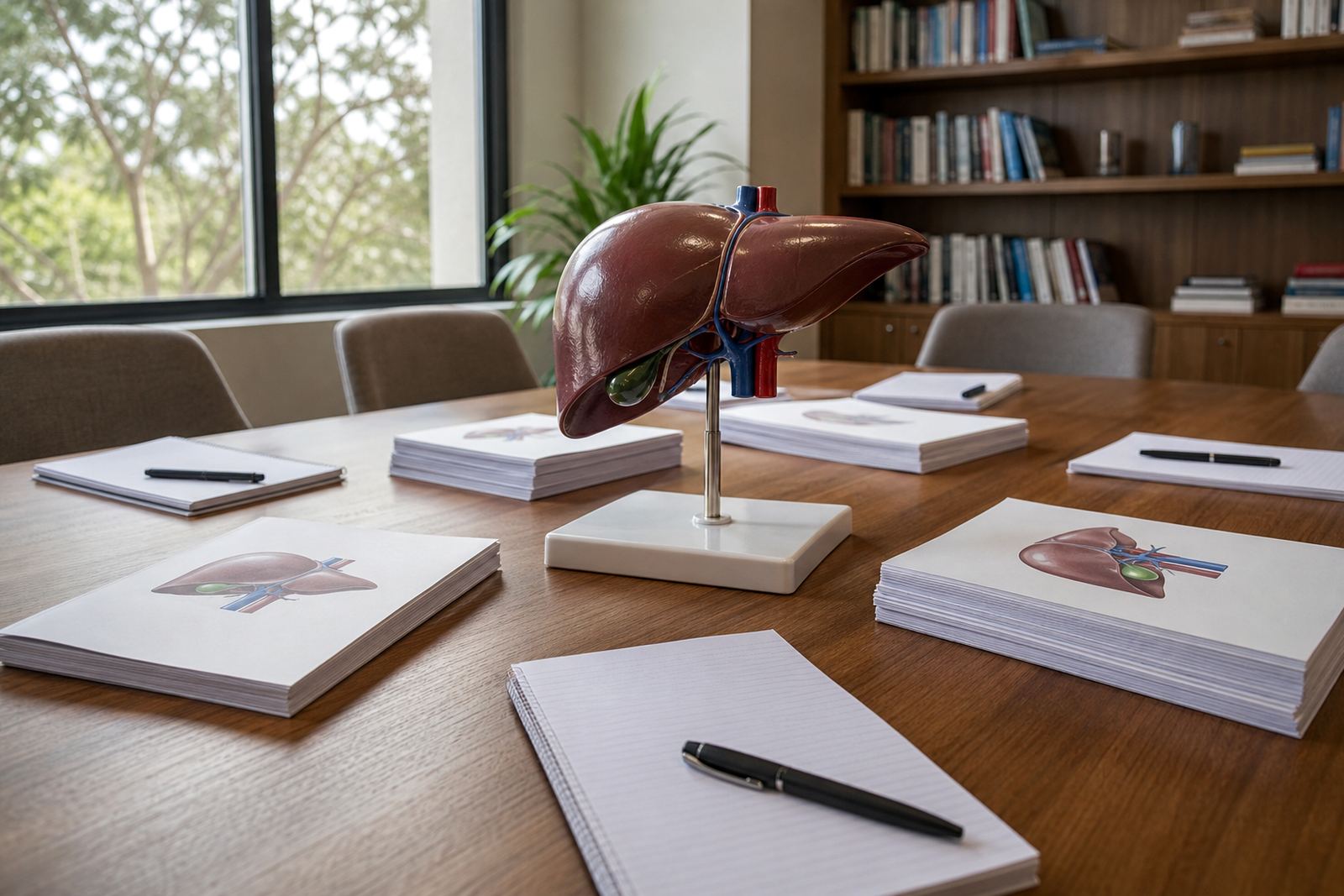
What this brief covers
Age and metabolism is a short educational brief on how CYP450 enzyme activity is commonly discussed across the life course, from childhood through older age. It focuses on widely accepted principles only, including why medicine handling can differ between younger and older patients and why the same medicine may need a different level of caution in different age groups.
The brief is written for people who need a clear reference point in consultation, dispensary and classroom settings. It does not test patients, diagnose illness or give dosing advice. For any medicine change or question about a specific product, readers should speak to their own doctor or pharmacist.
- Plain-language overview of age-related enzyme considerations
- Useful for medicine reviews, teaching and client education
- Suitable for South African clinical and wellness settings
Why age matters in CYP450 discussions
CYP450 enzymes help the body process many medicines, and their activity can vary with growth, maturity and ageing. In general terms, infants and young children are not simply small adults, because enzyme systems and liver function change over time. In older adults, reduced physiological reserve, other conditions and multiple medicines can all affect how metabolism is discussed in practice.
This brief keeps to established general knowledge and avoids unsupported claims. It helps readers think about age as one factor among many, alongside liver function, kidney function, nutrition, other medicines and overall health. That makes it useful for careful counselling, especially where several medicines are used together.
Sizes, formats and use cases
The Age and Metabolism brief is available as a concise reference note or as an expanded learning summary, depending on the depth needed for your team. The shorter format suits quick circulation to pharmacists and clinicians, while the fuller version works well for training talks, journal clubs and internal teaching notes.
Typical use cases include patient-facing education support, staff induction, case discussion and literature-based content for practices that want consistent wording. It is especially useful where age-related metabolism questions come up often, such as polypharmacy reviews, paediatric explanations and geriatric medicine discussions.
- Short brief for everyday reference
- Expanded brief for training and team study
- Plain-language version for non-specialist readers
- Can be adapted into slide notes or workshop material
Where it suits best
This brief suits clinicians, pharmacists and wellness practitioners working in Cape Town, Johannesburg, Pretoria, Durban, Bloemfontein and other South African centres where practical medicine discussions need to stay clear and careful. It is a good fit for private practice, community pharmacy, multidisciplinary teams, and education programmes that deal with common medicine questions across age groups.
It also suits settings where consultations are time-limited and a concise summary is easier to use than a long review. In coastal areas, where humidity and storage conditions may affect paper files and printed notes, a digital copy can be easier to keep in good order, while printed versions still work well for training folders and meeting packs.
Installation, access and supply needs
No installation, power supply or gas connection is needed for this educational brief. It is supplied as a written information product that can be read on screen or printed for internal use. If you want copies for a workshop, meeting or staff file, the format can be chosen to suit your own workflow and record-keeping.
For organisations working during load-shedding, the brief can be kept in both digital and printed form so it remains available during outages. Printed copies should be stored away from moisture, direct sun and busy prep areas. In shared offices or clinics, a simple filing system helps keep the latest version easy to find.
- Digital delivery for easy sharing
- Printable format for folders and handouts
- No power, gas or installation requirements
- Useful during load-shedding and busy clinic hours
Care, updates and reference handling
This brief is intended for educational use and can be kept alongside your team’s medicine information files. Like any clinical learning material, it should be reviewed from time to time so it stays aligned with current general knowledge and your organisation’s internal standards. Where your team uses different versions for teaching and client support, it helps to mark the current copy clearly.
Care is straightforward: keep printed copies clean and dry, avoid folding or marking key reference sections, and store digital copies in a named folder that staff can access easily. If you need the brief reworked for a pharmacy, practice or training group, the language can be adjusted for your audience without turning it into medical advice.
What to check before ordering
Before ordering, check who the brief is for, how detailed it needs to be and whether you want a short reference or a fuller teaching note. It also helps to confirm whether your team wants clinician-level wording, a simpler plain-language version, or a blended format that works for both. If you are using it for a specific workflow, make sure the title and section order suit your filing system.
It is also worth checking whether the brief needs to support a broader training set on drug interactions, medicine safety or age-related counselling. If it will sit inside a larger education pack, you may want matching wording across the pack so staff do not have to switch between styles.
- Intended audience: clinician, pharmacist or wellness practitioner
- Preferred depth: short summary or expanded brief
- Format: digital, printable or both
- Need for related material such as interaction overviews or slide notes
Key facts
| Product type | Educational brief on age-related medicine metabolism |
|---|---|
| Core focus | CYP450 enzyme considerations across age groups |
| Audience | Clinicians, pharmacists and wellness practitioners |
| Format options | Short reference brief or expanded learning summary |
| Delivery | Digital copy, printable copy or both |
| Primary use | Education, team discussion, counselling support and training |