










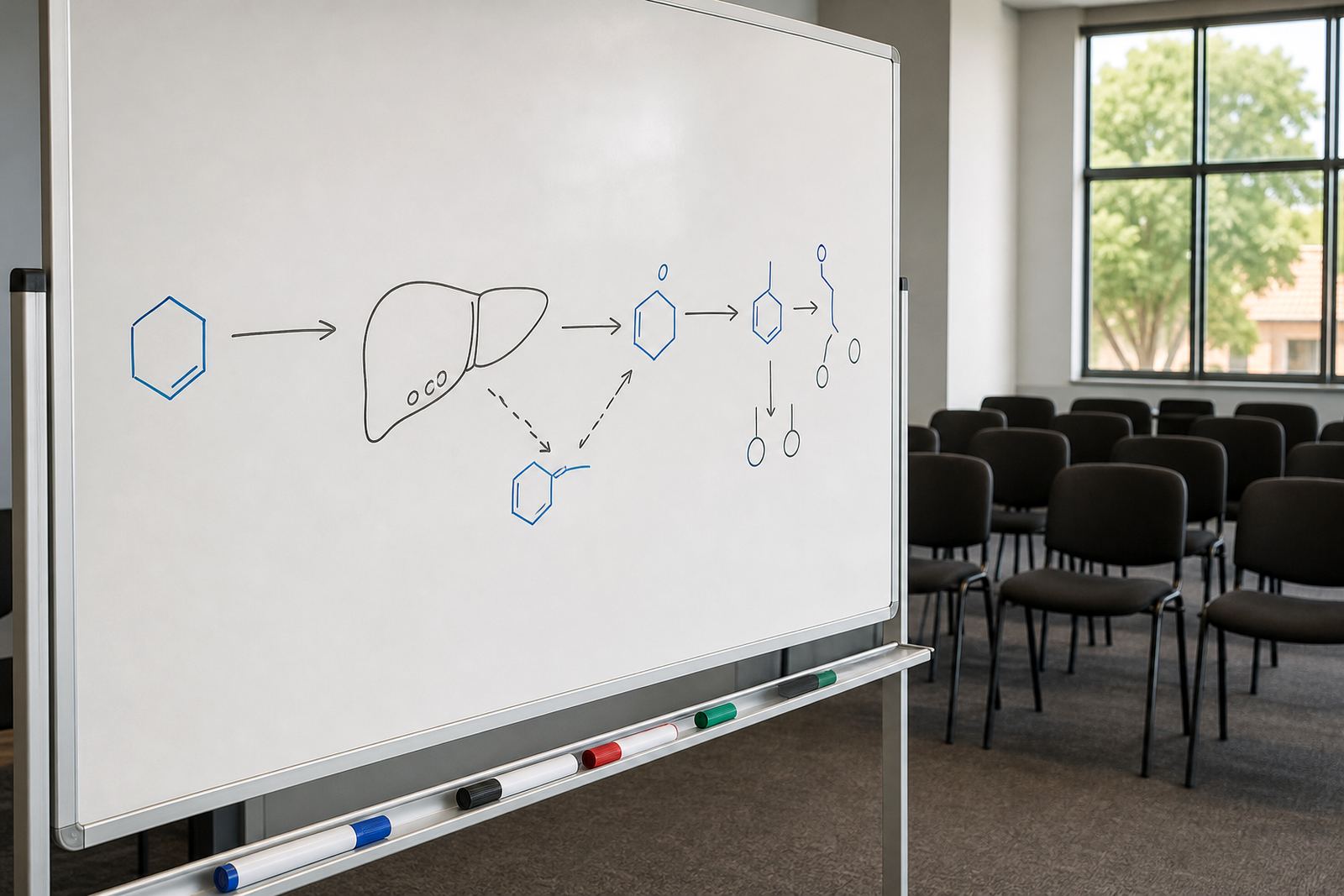










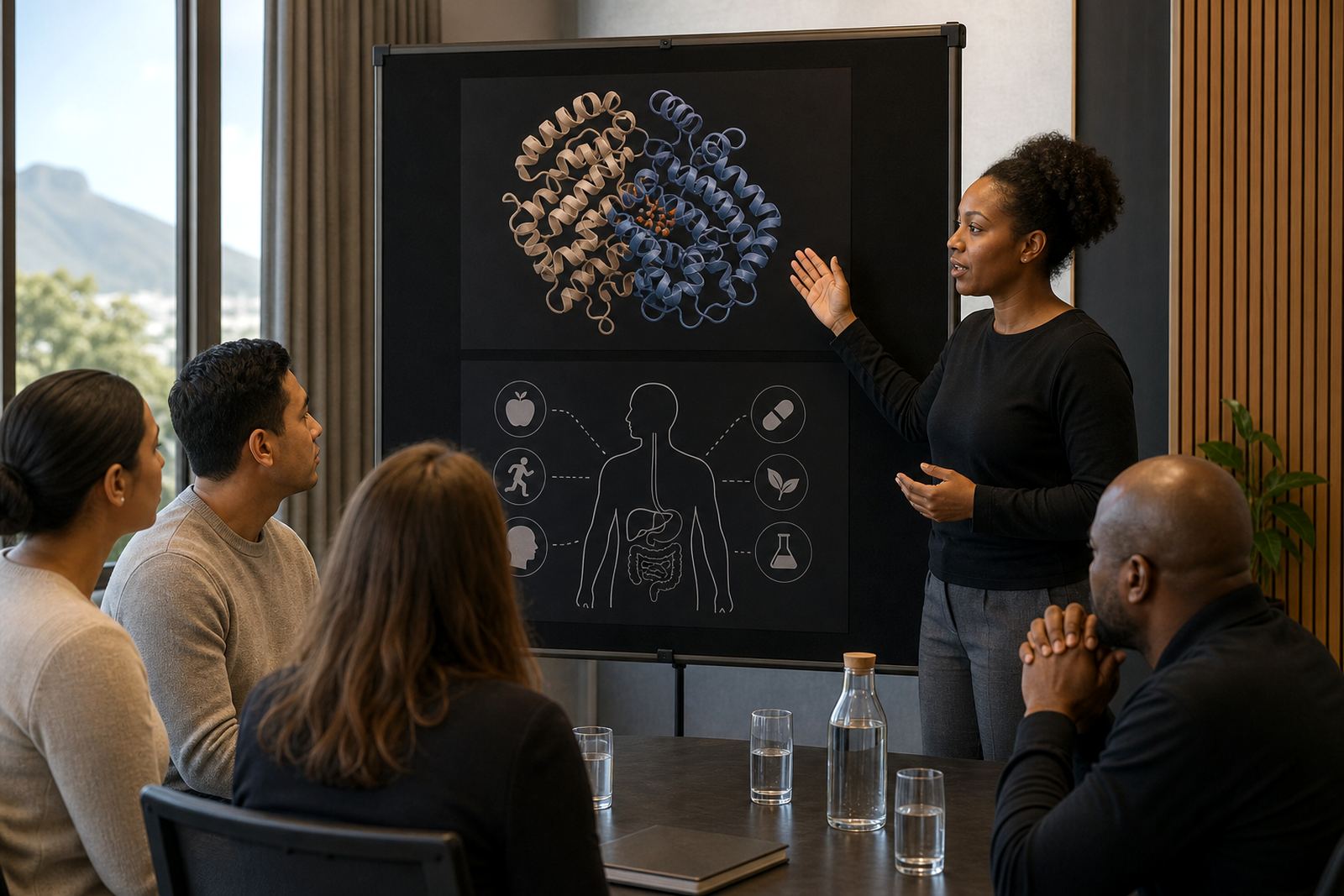



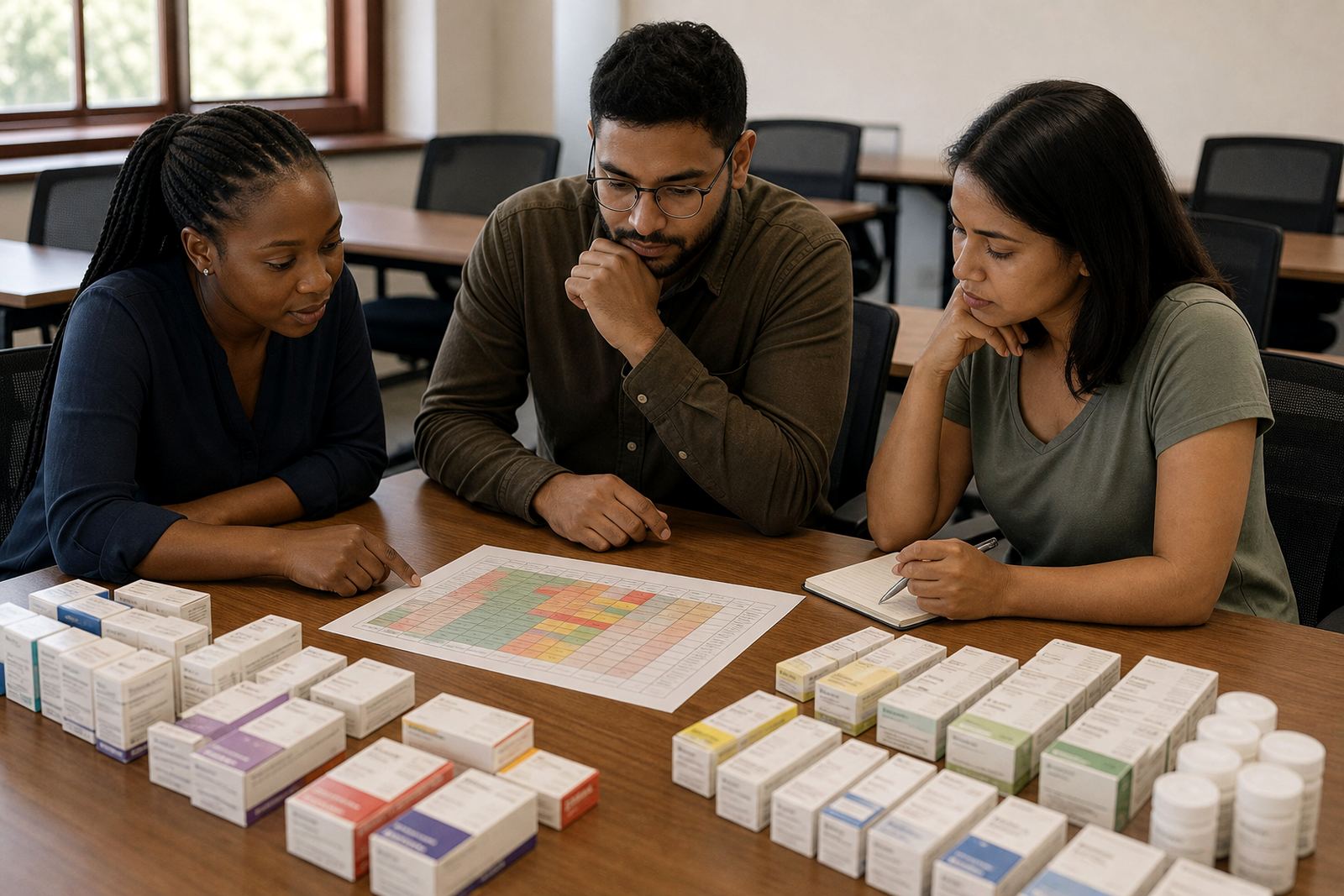




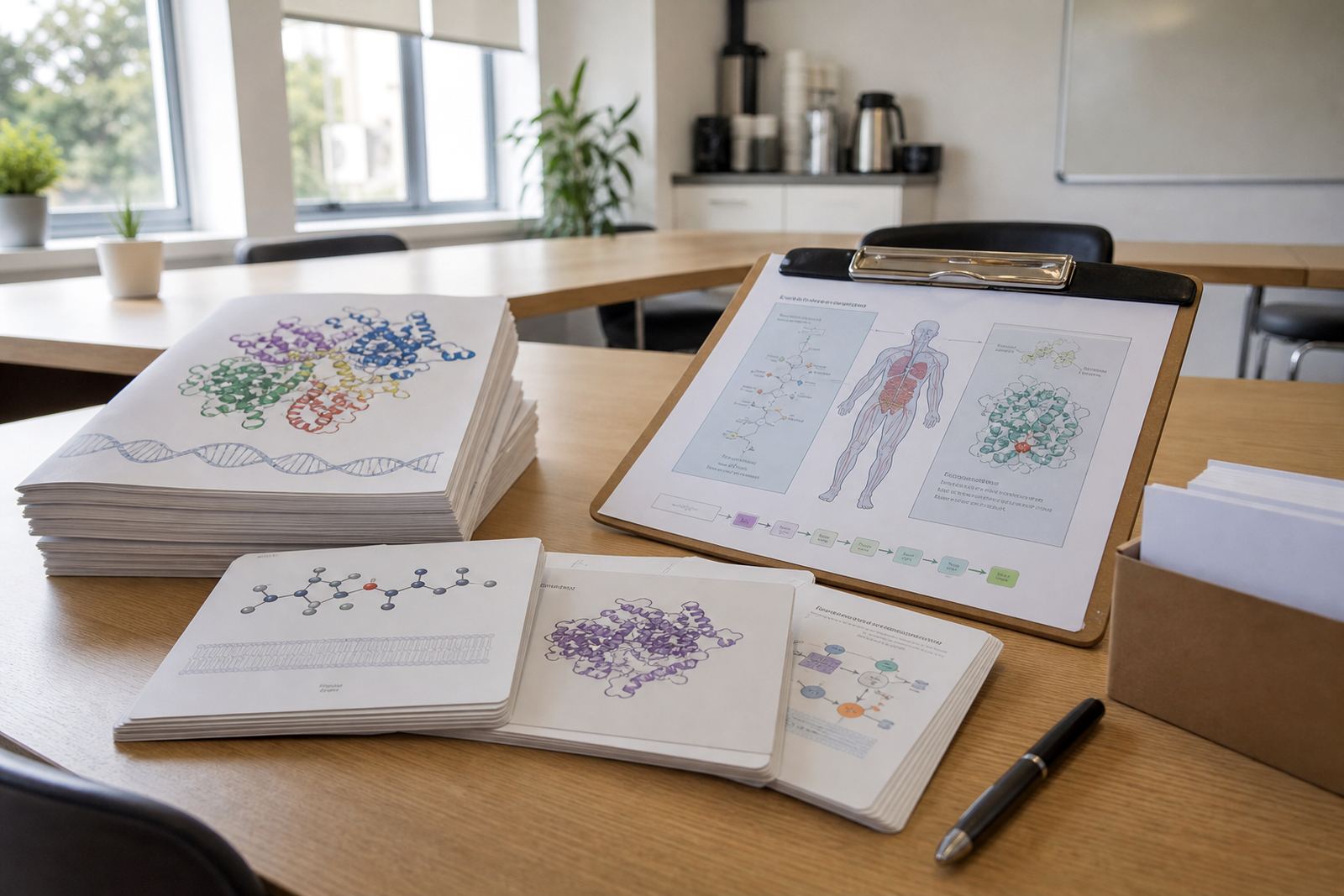







What these research briefs cover
Our research briefs bring together widely accepted knowledge on cytochrome P450 enzymes and the practical questions that come up in clinical and wellness settings. The focus is on how enzyme pathways can affect medicine response, nutrient handling and common interaction concerns, with plain language and careful context for South African readers.
Each brief is written for clinicians, pharmacists and wellness practitioners who want a clear starting point before discussing a case with a patient, colleague or supervising professional. We keep the tone measured and avoid speculation, so the content can be used for reading, discussion and in-service learning.
How to choose the right brief
If you are looking for a quick overview, start with a plain language summary or an interaction overview. If you need a deeper background for teaching or journal club style discussion, a full literature review or a training talk note may suit better.
- Use literature reviews for broader enzyme pathway context and source-based reading.
- Use educational briefs for focused topics such as specific enzyme families or common medicine interactions.
- Use plain language summaries when you need a shorter explanation for teams or patients.
- Use journal scans when you want a current reading list without wading through everything yourself.
If you are unsure, begin with the question you need answered, then choose the format that matches the level of detail and time available.
Common CYP450 questions we help clarify
These briefs often address questions about enzyme inhibition, induction, genetic variation and why two people may respond differently to the same medicine. They also explain why food, herbal products and other medicines can sometimes change how quickly a substance is broken down. We do not give dosing advice or individual treatment instructions, and we do not replace a doctor, pharmacist or other registered professional.
- How a CYP450 enzyme may be involved in a medicine interaction
- Why a pathway can matter more in some people than others
- Which factors are widely accepted as relevant in general practice
- What should be discussed with the patient’s own doctor or pharmacist
Written for South African practice settings
Our base is in Rondebosch, Cape Town, with support for professionals in Cape Town, Johannesburg, Pretoria, Durban and Bloemfontein. The briefs are shaped for real-world South African use, where teams may need concise reference material for clinic meetings, practice education or multidisciplinary discussion across different settings.
We keep the language practical and careful, with enough detail to support professional reading but not so much that the main point is lost. That matters when a team is balancing busy schedules, local formularies and the need to explain complex science clearly.
Topics that fit training and team discussion
Research briefs can be used on their own or together with other services such as content editing, curriculum support and slide deck writing. They work well when a team needs a shared starting point before a workshop or case discussion, especially where CYP450 genetics or drug-enzyme interactions are being introduced for the first time.
- Foundation notes on CYP450 enzyme families
- Interaction overviews for common medicine categories
- Plain-language explanations for mixed clinical teams
- Reference list building for internal learning packs
For organisations in Rondebosch, Claremont, Newlands and beyond, the goal is the same: give professionals a reliable summary that supports careful conversation.
What a research brief is not
A research brief is not a test result, a diagnosis or a treatment plan. It is a learning tool built from established general knowledge, meant to help professionals read, compare and discuss CYP450 topics with more confidence. If a medicine question is personal or urgent, the right next step is always to speak to the person’s own doctor or pharmacist.
That distinction matters. Enzyme pathways can be important, but they are only one part of the bigger clinical picture, and the final decision belongs with the professional responsible for the patient’s care.