What this educational summary covers
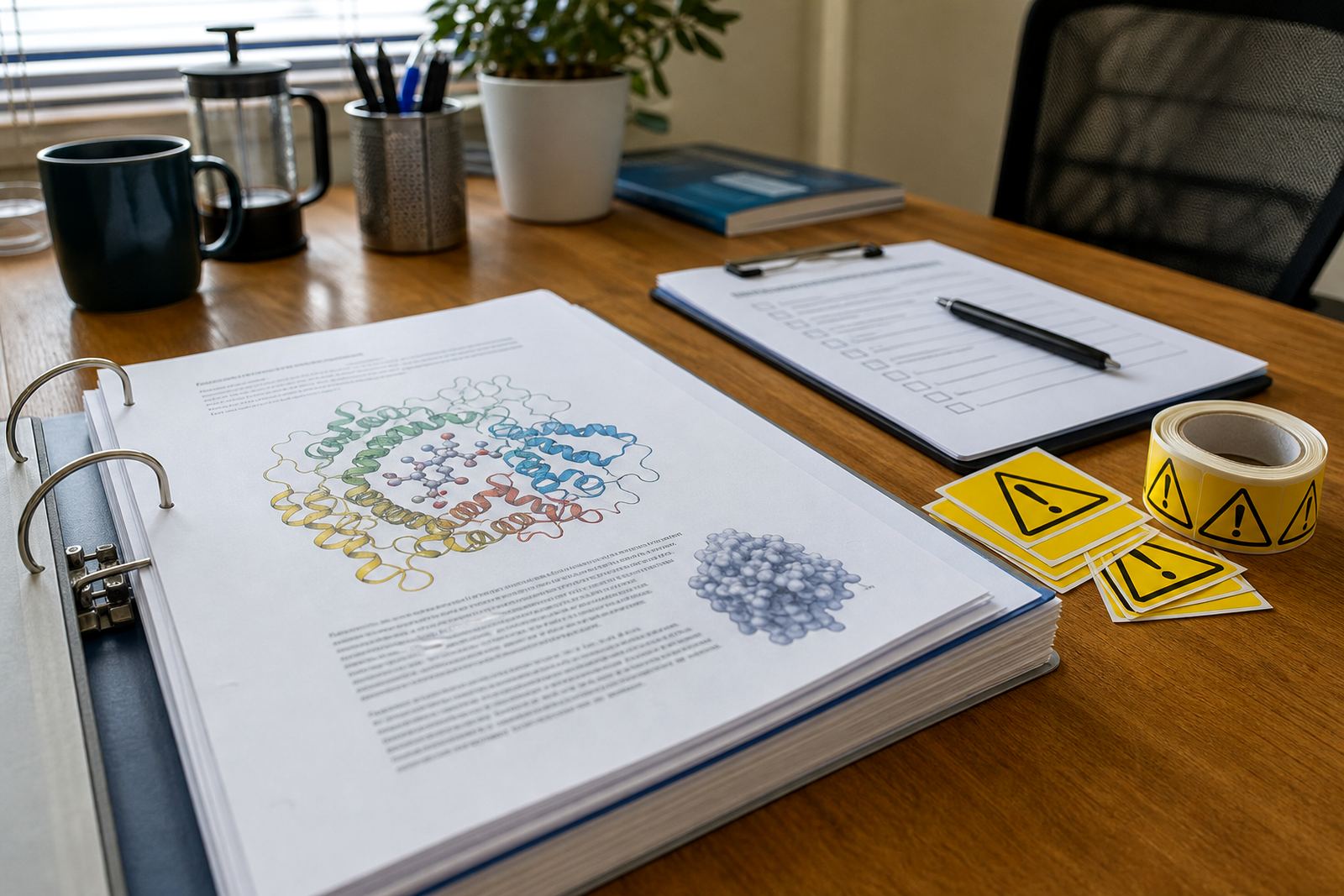
This product is a general educational summary of how metabolism differences may contribute to adverse effect questions. It focuses on cytochrome P450 enzymes, drug-enzyme interactions, and the practical points that usually matter in day-to-day medicine review. The aim is not to diagnose anything or predict an individual outcome, but to help readers understand why a medicine may be tolerated well by one person and less well by another.
We keep the language practical and careful. That means clear explanations of enzyme pathways, common interaction themes, and how to read the literature without jumping to conclusions. If a medicine concern is personal or urgent, readers should speak to their own doctor or pharmacist about their medicines.
Sizes and format options for different teams
We prepare this topic in several sizes so it suits a clinic meeting, a journal club, a pharmacy team or a wellness education session. Each format is written for South African readers and can be adjusted for Cape Town, Johannesburg, Pretoria, Durban or Bloemfontein teams. The level of detail depends on the audience and the use case.
- Quick brief: a short plain-language overview for internal circulation
- Standard review: a fuller literature summary with references and headings
- Interaction overview: a focused note on metabolism, inhibition, induction and common review points
- Training talk pack: speaker notes and slides content for team education
- Case note development: a structured educational note for discussion, not for diagnosis
For larger teams, we can split the work into separate sections such as enzyme basics, clinical reading points, and a discussion guide. That is useful where several staff members need the same information but at different depths.
Where it suits best in practice
This summary suits teams that need clear background reading before they discuss medicine safety or pathway questions. It is often helpful for pharmacists, clinicians, wellness practitioners, and academic groups that want a careful overview before looking at a specific medicine list. Because the content stays general, it works well as a starting point for wider staff education.
It also suits settings where repeated questions come up around adverse effects, product interactions, or why someone may react differently to the same treatment. In South Africa, that often means mixed caseloads, busy consultations, and follow-up questions that need a calm explanation rather than a rushed answer. The material can be used on its own or as part of a broader training programme.
- Suitable for in-service education and team meetings
- Useful for literature review support and journal scans
- Works for clinics, pharmacies, private practices and educator groups
- Can be adapted for Rondebosch, Claremont and Newlands meetings
What the summary normally includes
The content usually covers the main CYP450 families involved in drug metabolism, how enzyme activity may vary, and how inhibition or induction can affect exposure to a medicine. It also explains the difference between a pathway question and a confirmed clinical problem. Where relevant, we note the limits of the available evidence so readers can judge how much weight to give a particular statement.
We do not add dosing advice or personal treatment instructions. Instead, the document helps the reader recognise the type of question being asked, the kind of literature that supports it, and the points that should be confirmed with the appropriate clinician or pharmacist.
- General CYP450 pathway summary
- Interaction concepts, including substrate, inhibitor and inducer language
- Common adverse effect discussion points in plain English
- Reference list building for further reading
- Optional slide deck writing for internal teaching
Setup, delivery and working requirements
There is no medical equipment to install, but there are practical requirements for the work itself. Most briefs are prepared electronically and shared through the enquiry process on our contact page. For training talks or workshop support, we usually need the topic scope, audience type, preferred length, and whether the session is face-to-face or remote. If a team wants material for a specific medicine class, the request should say so clearly.
For meetings in Cape Town, traffic, parking and venue access can affect timing, especially in busy areas around Rondebosch, Claremont and Newlands. For remote sessions, stable internet and a quiet room are enough. No special power or gas needs apply, though a charging point and working screen help when presenting. Load-shedding planning is often sensible for any live session, so having backup power for devices can avoid delays.
Care, updates and ongoing use
Because medicine information changes, these summaries should be treated as living educational material. We recommend periodic review, especially if a team uses the content for onboarding or repeated training. A fresh literature scan can be useful when guidelines shift, a new interaction concern comes up, or the team needs a simpler version for non-specialists.
When using the document, keep the focus on general education and known pathway principles. If a question becomes patient-specific, the right next step is always to speak to the relevant doctor or pharmacist about that person’s medicines. That keeps the discussion safe, practical and within the limits of the evidence.
- Review references before internal circulation
- Update if the audience or medicine class changes
- Keep the note in line with local clinic or practice policy
- Use it alongside professional judgement, not instead of it
What to check before ordering
Before placing a request, it helps to check the audience, the depth needed, and the exact question you want answered. If the team wants a broad overview, a standard review is usually enough. If they need a short teaching handout or a talk for staff, a smaller format may be better. Clear source preferences also help, such as whether the team wants recent review articles, foundational pathway reading, or a balanced mix of both.
Please also confirm whether the material is for clinicians, pharmacists, or wellness practitioners, as the tone and technical level will differ. If the brief must cover a specific enzyme, a medicine class, or a known interaction theme, include that at the start. That keeps the work focused and avoids unnecessary back-and-forth.
- Audience type and level of detail
- Desired length and format
- Specific enzyme, drug class or interaction topic
- Need for references, slides or workshop notes
- Deadline and preferred delivery method
Key facts
| Topic | General educational summary of CYP450 adverse effect pathways |
|---|---|
| Formats | Quick brief, standard review, interaction overview, training talk pack |
| Audience | Clinicians, pharmacists and wellness practitioners |
| Base | Rondebosch, Cape Town |
| Service area | Cape Town, Johannesburg, Pretoria, Durban and Bloemfontein |
| Founded | 2012 |