




























What the Enzyme Journal covers
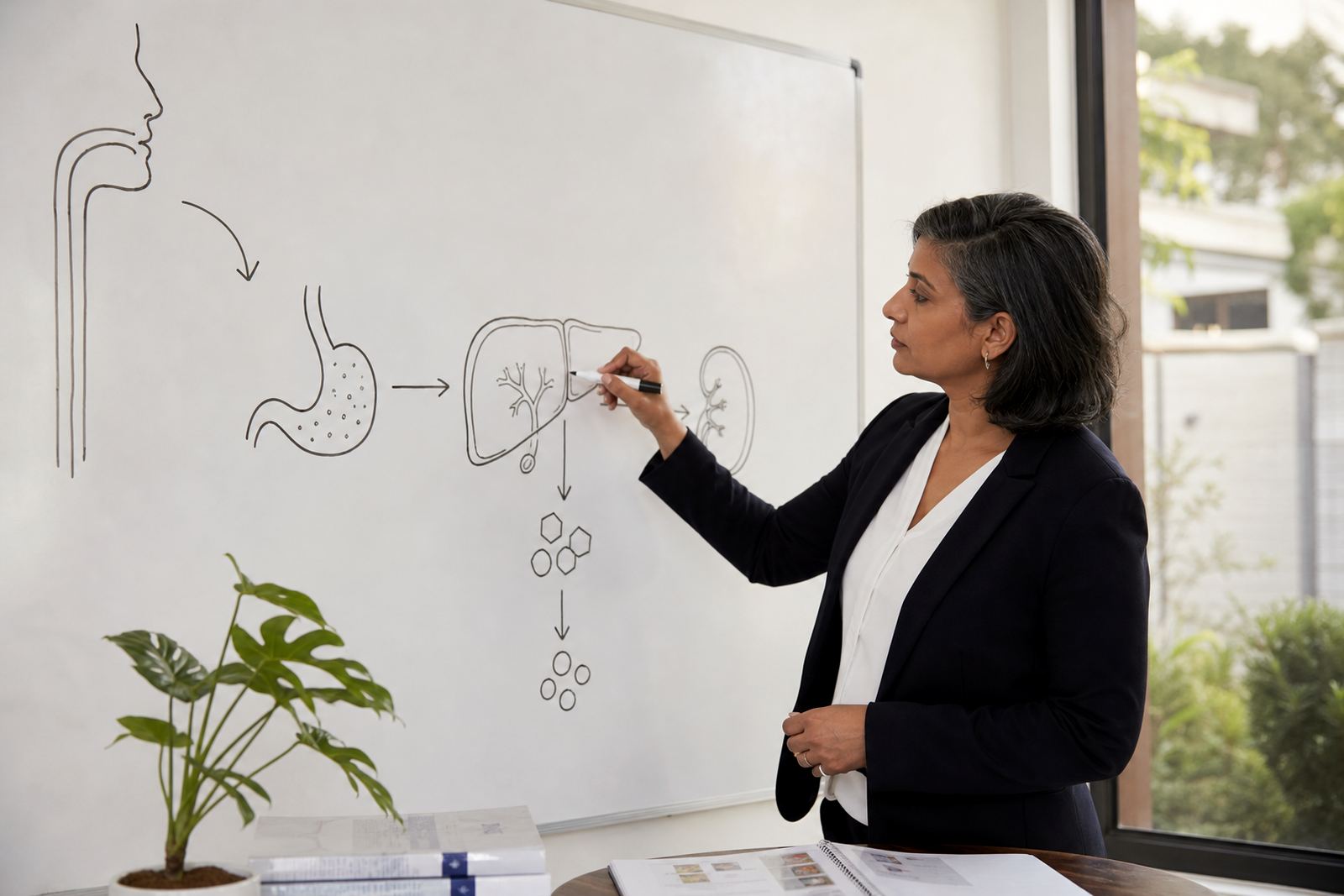
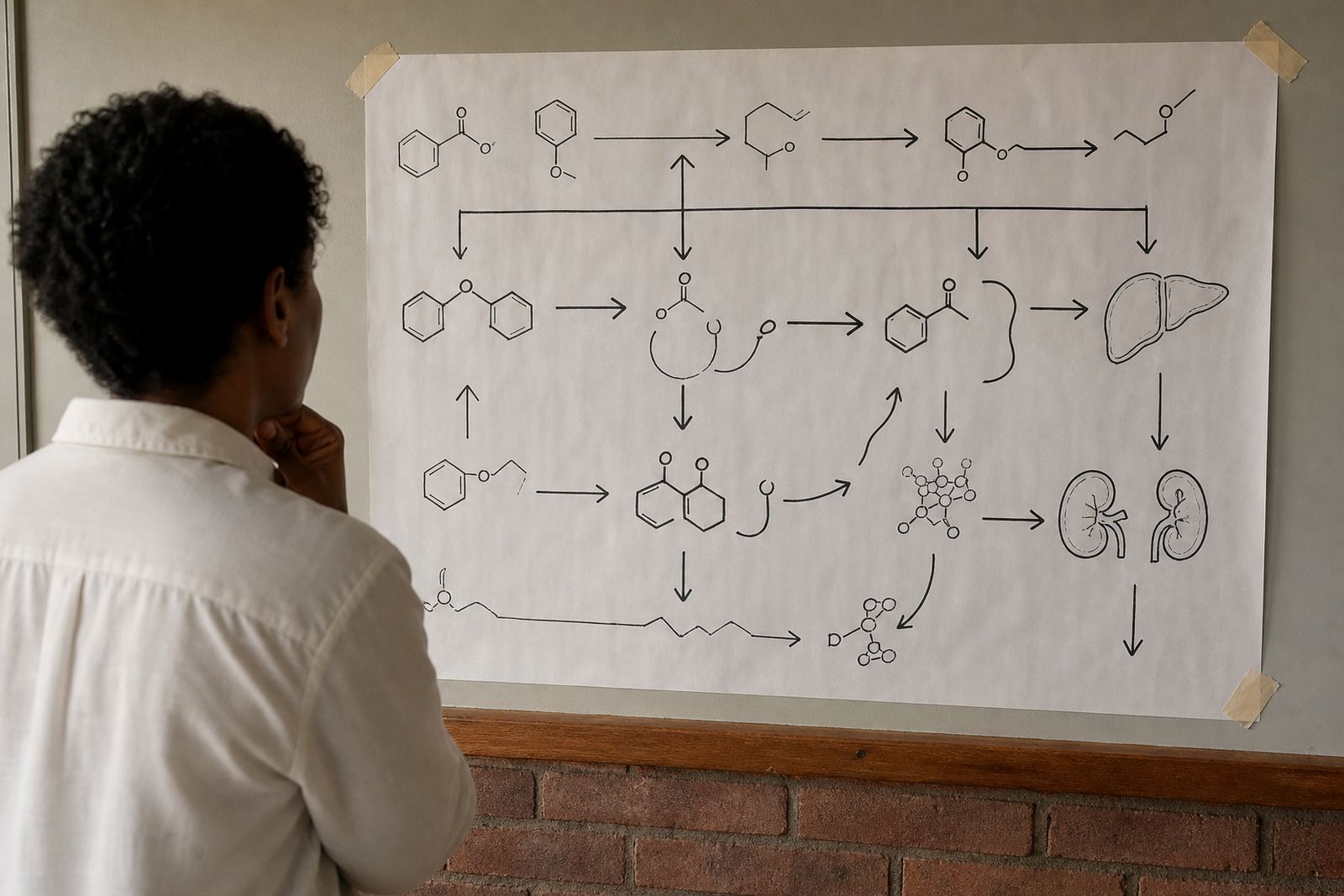
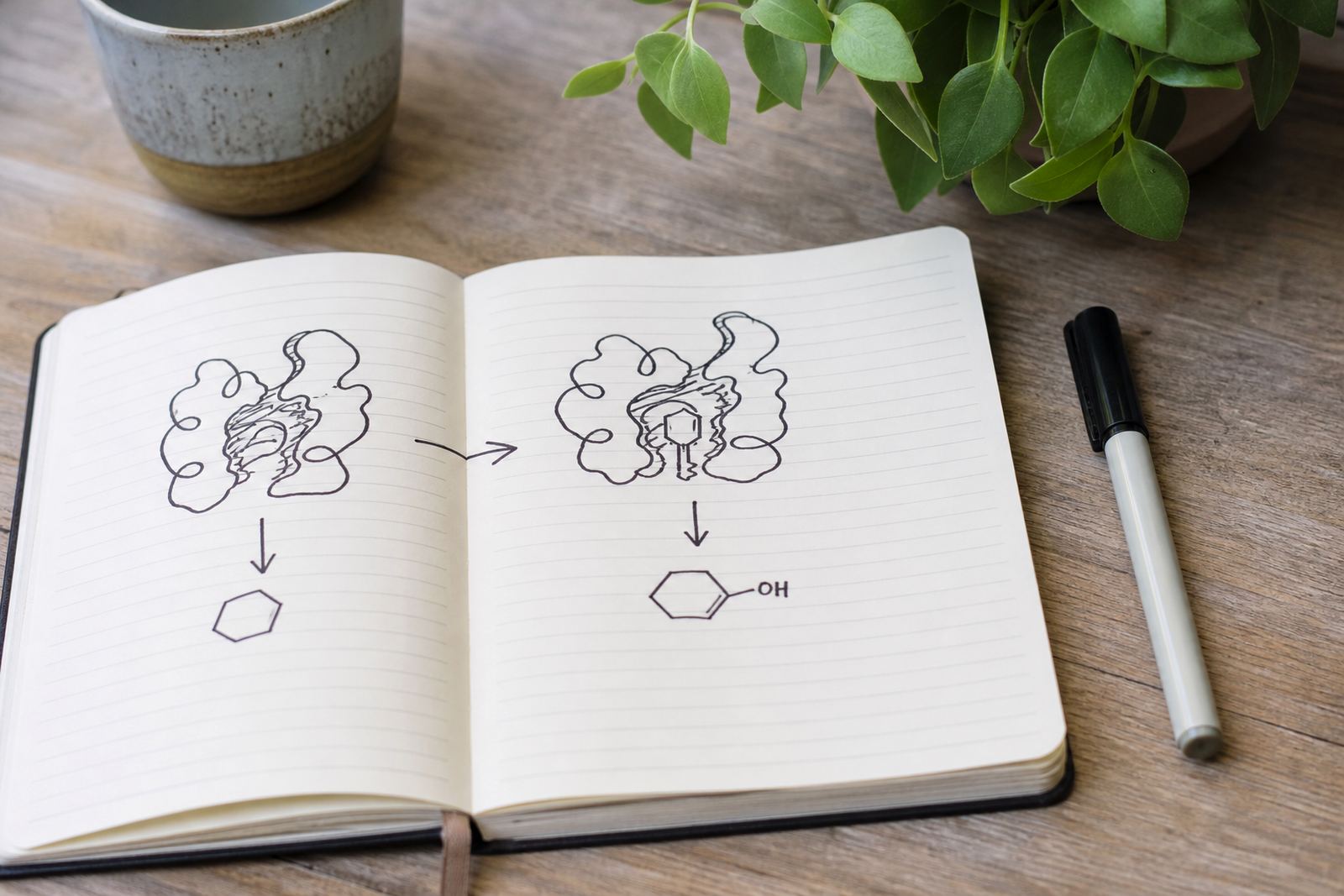
This journal section brings together short educational pieces on cytochrome P450 enzymes, how they help the body process medicines and why enzyme pathways matter in everyday practice. The aim is to keep the science plain enough for a busy clinic day, while still giving enough detail to support careful reading and discussion.
Articles may touch on genetics, common interaction themes, laboratory language and the way enzyme pathways can influence medicine handling. They are written for readers across Cape Town, Johannesburg, Pretoria, Durban and Bloemfontein, and they are kept general rather than patient specific.
How to choose the right article
If you are looking for a quick overview, start with plain language summaries. If you need more detail for a staff meeting or journal club, choose literature review pieces or interaction overviews. For teaching sessions, the training note style articles are often the best fit because they group the main ideas into a clean, practical structure.
- For a fast read: Plain language summaries
- For deeper background: Literature reviews
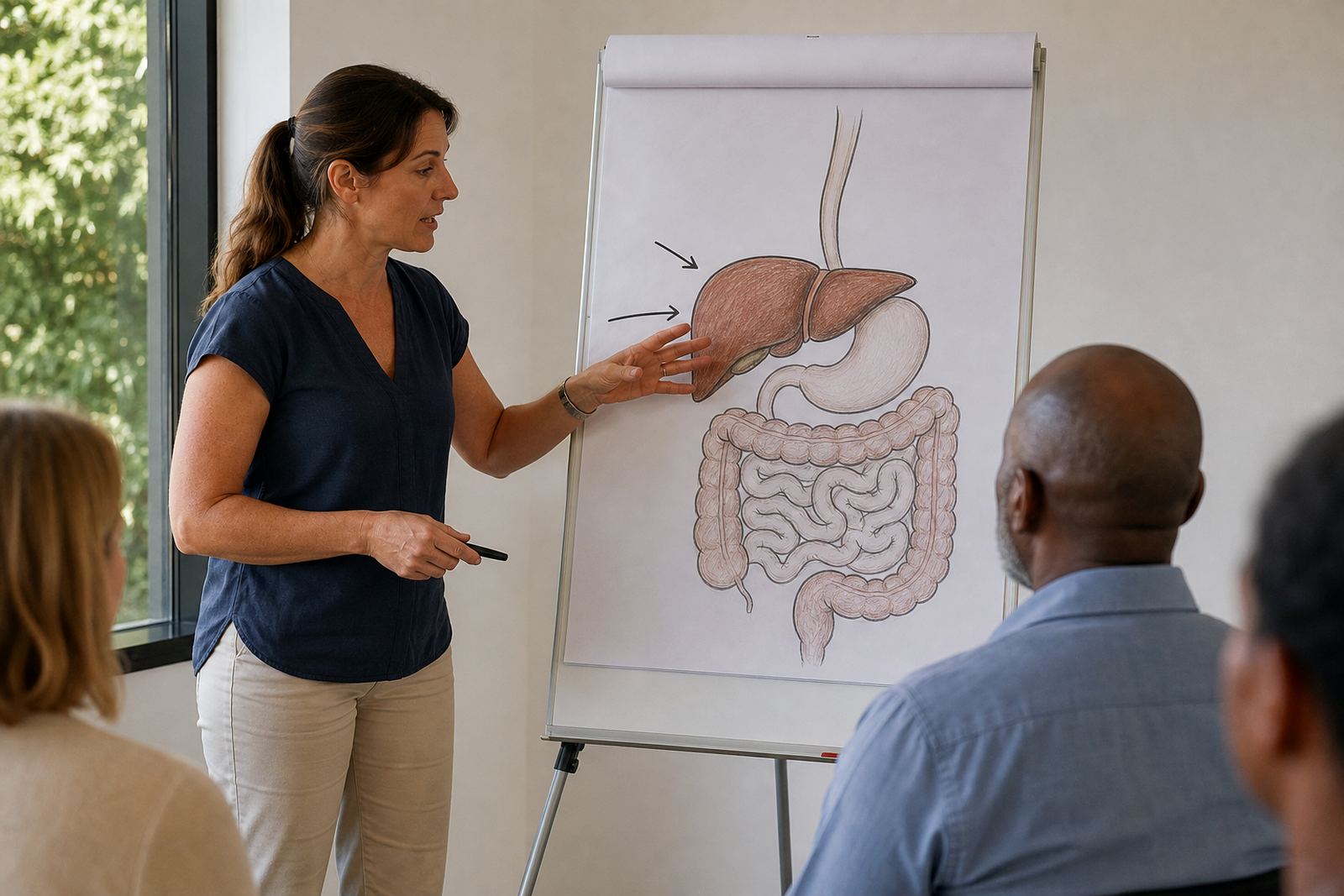
- For team use: Training talks and slide support
- For medicine discussions: Interaction overviews and case note development
Each article page is meant to stand on its own, so you can open one topic at a time without needing to work through the whole library.
Topics you will find in the journal
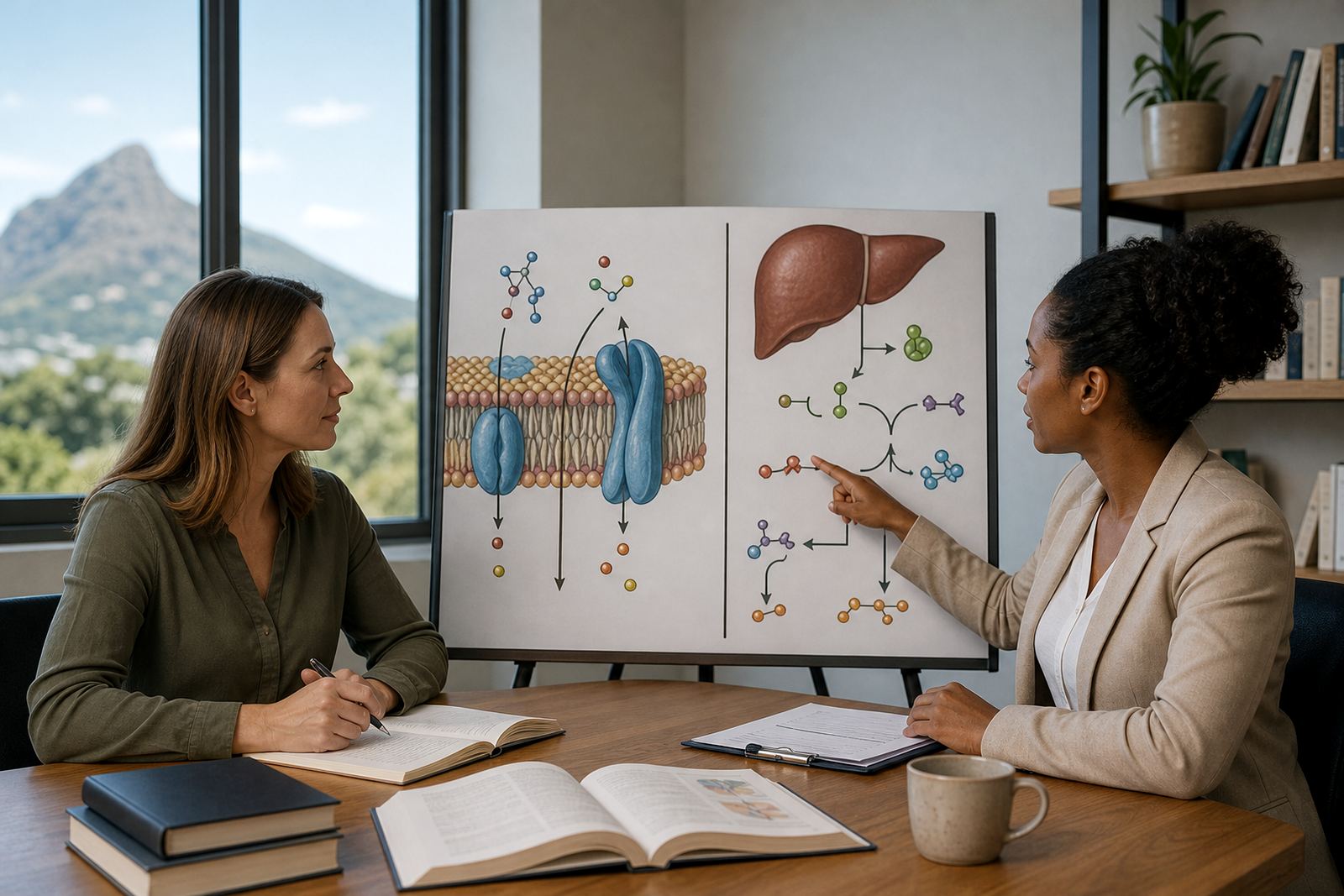
The journal is organised around the real questions people ask when enzyme science appears in clinical work. That includes how CYP450 enzymes are named, why one medicine may affect another, and how common terms are used in reports and summaries. The focus stays on general education rather than treatment advice.
- Enzyme basics and metabolism concepts
- Drug-enzyme interaction language
- Genetics and variation in response
- Communication notes for clinical teams
- Reading and writing references with care
Where useful, articles may also explain how to separate what is well established from what still needs more evidence. That matters when a topic is discussed in clinic, in a pharmacy setting or during a wellness consultation.
Written for South African practice settings
South African readers often need information that works in mixed settings, from private practice to public sector clinics and training rooms. The journal keeps that in mind by using clear English, careful terminology and examples that fit local professional conversations. It does not replace a consultation with a doctor or pharmacist, and it does not give personal medical advice, dosing advice or diagnosis.
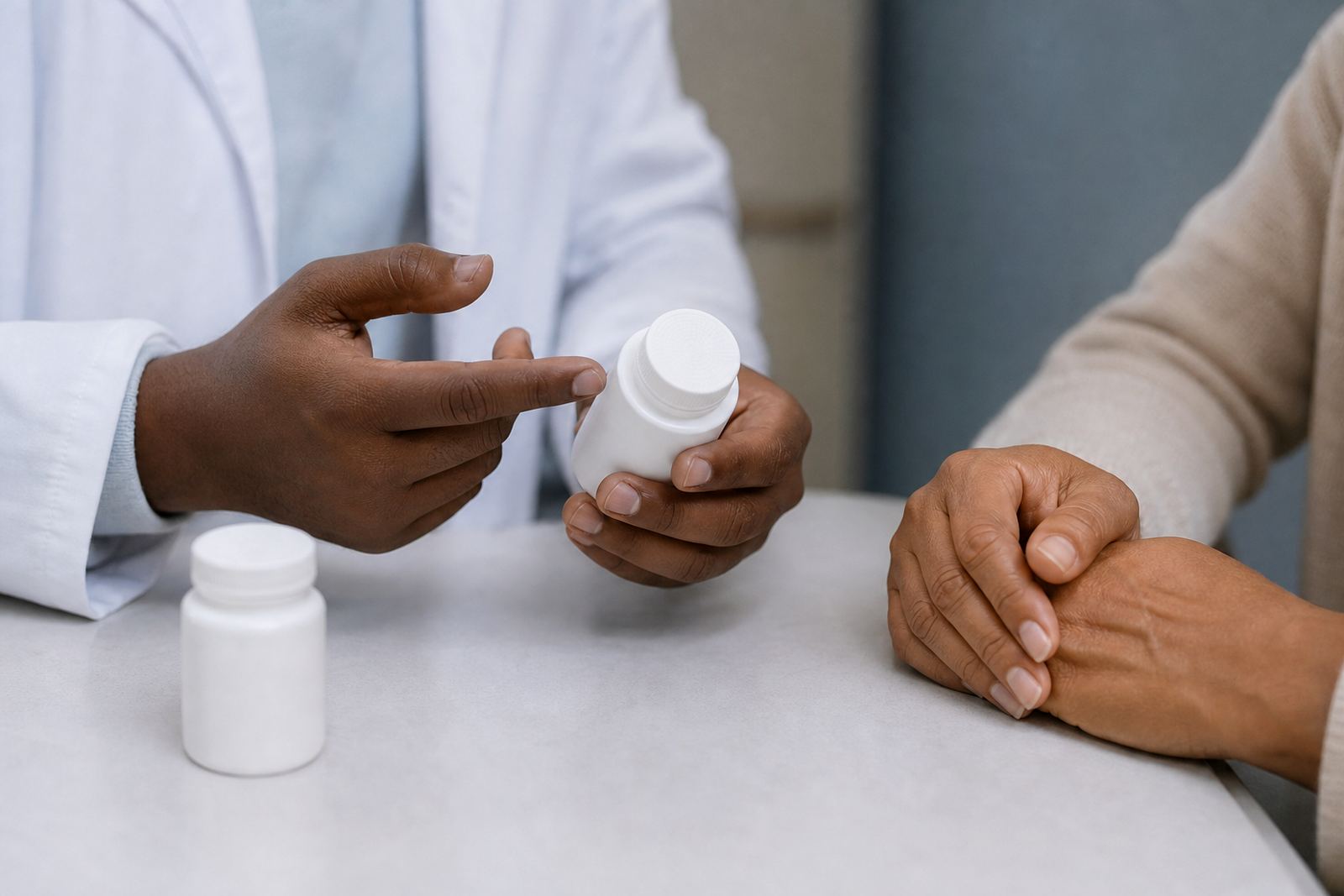
When an article mentions medicines or interaction patterns, it is there to support understanding only. If a person has questions about their own treatment, they should speak to their own doctor or pharmacist about the medicines they use.
How our team prepares each article
The journal content is prepared by the CYP450 Insights team under the direction of Dr Luyanda Mbeki. The process brings together literature review, clinical reading and careful editing so that the final piece stays accurate, calm and easy to follow. Ayesha Daniels, Pieter van Rooyen, Naledi Molefe, Sibusiso Khumalo and Taryn Naidoo each contribute to that work in different ways.
- Checking the source material and main enzyme concepts
- Filtering out hype and unsupported claims
- Editing for plain language and consistent terms
- Keeping the focus on education, not treatment
This approach helps the journal stay useful for clinicians, pharmacists and wellness practitioners who need information they can discuss with confidence.
Use the journal as a starting point for discussion
These articles are meant to support conversation, teaching and reading time between consultations. They can help teams prepare for case discussions, staff talks or internal training, especially when CYP450 pathways come up in medicine review or patient education. The journal is not a substitute for a formal clinical assessment, and it is not meant to guide anyone to change medicines on their own.
If you are comparing enzyme topics for your team, choose one article for background and one for applied communication. That way the science stays connected to the day to day questions people actually ask in practice.