

Why genetics matters when talking about enzyme activity
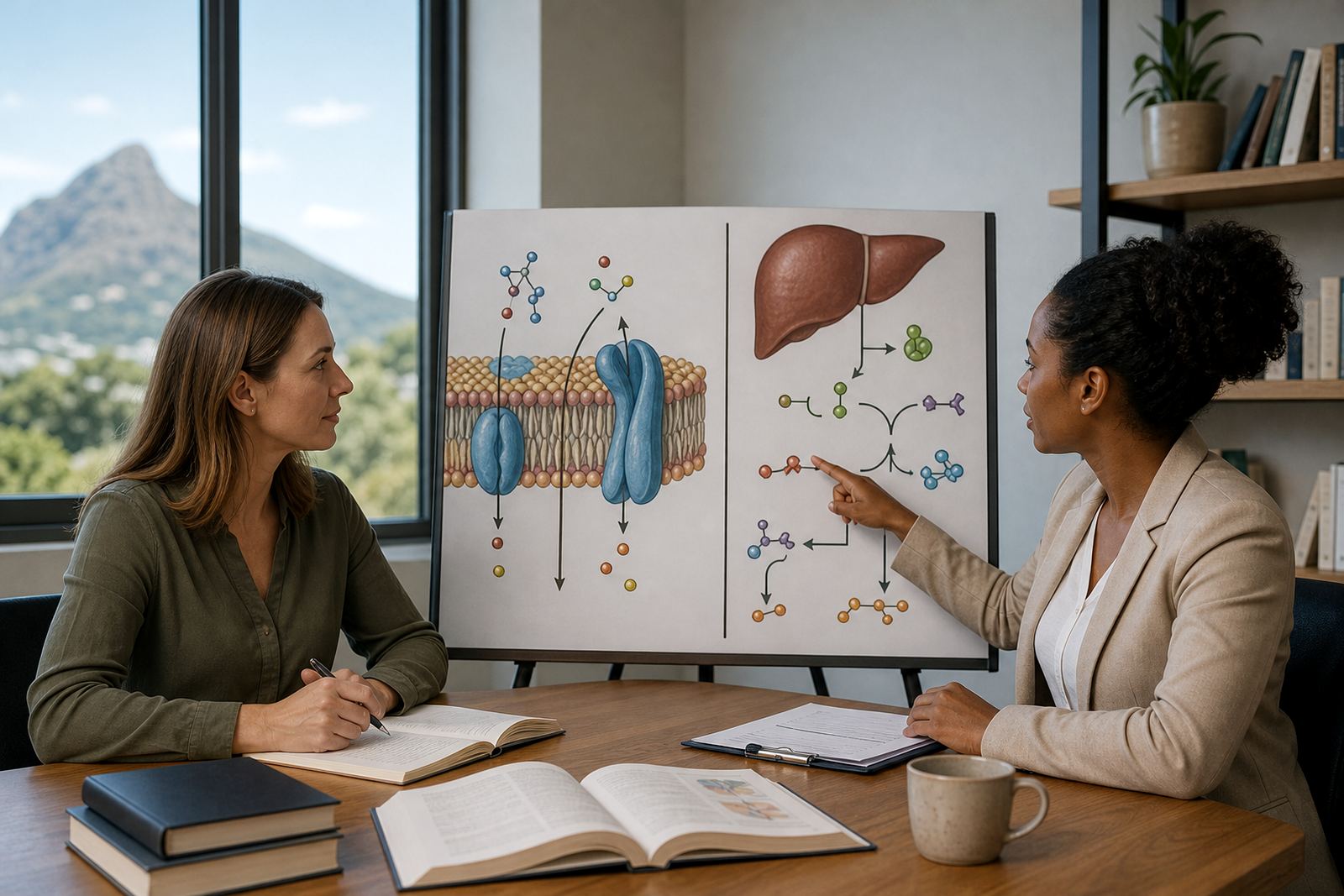
When people talk about genetics and enzymes, they are usually asking one simple question: why do the same medicines not behave the same way in every person? The answer starts with the genes that carry instructions for making enzymes. Small changes in those genes can affect how much enzyme is made, how well it works, or how quickly it is broken down after it is produced.
The CYP450 enzyme family is often part of this conversation because these enzymes help the body process many medicines. Some gene variants may be linked with faster or slower enzyme activity, but genetics is only one part of the picture. Age, liver function, other medicines, smoking, alcohol use, diet and illness can also influence what happens in the body. That is why genetic information should be read alongside the full clinical context, not in isolation.
From gene to enzyme: the plain-language version
A gene is a section of DNA that carries instructions. Those instructions are used to make a protein, and many enzymes are proteins. If the instruction changes, the protein may change too. Sometimes the change is minor and has little effect. In other cases, it can alter the amount of enzyme made or how efficiently it does its job.
For CYP450 discussions, the practical point is this: enzyme activity is not a fixed number for every person. It can vary between individuals and may also shift over time. A person may have a genetic variant that predicts reduced activity, but that does not automatically tell the whole story if they are also taking other medicines that inhibit or induce the same pathway.
- Some variants can reduce enzyme function
- Some variants can increase enzyme function
- Some variants have little or no meaningful effect
- Environmental factors can strengthen or weaken the final effect
What clinicians and pharmacists usually need to know
For busy healthcare teams, the key is not memorising every gene name. It is knowing how to read a genetics related claim carefully and asking whether it affects a medicine pathway that is actually relevant to the patient. If a report, briefing or discussion mentions CYP enzymes, the important questions are which enzyme is involved, what type of interaction is being described, and whether the conclusion is supported by general accepted science.
Plain-language summaries are useful here because they can translate technical terms into a form that is easier to discuss with patients and colleagues. They can also help reduce confusion when the same medicine is affected by more than one pathway. A careful summary should make clear when the evidence is well established, when it is mixed, and when no firm conclusion can be drawn. That kind of caution is especially important when the topic touches on health decisions.
- Check whether the enzyme pathway is relevant to the medicine in question
- Look for other medicines that may also affect the same enzyme
- Note whether the source is describing a known interaction or a general possibility
- Use cautious wording when the evidence is limited
A local example: medicines and the Cape Town context
In Cape Town and across South Africa, people often take more than one medicine at the same time. A patient in Rondebosch may be using prescription treatment, over-the-counter products and traditional or wellness products together. In that setting, enzyme discussions become practical very quickly. If one product affects a CYP450 enzyme, it may alter the way another product is handled by the body.
This is where clear communication helps. A pharmacist in Claremont, a clinician in Johannesburg, or a wellness practitioner in Durban all need the same basic approach: identify the medicines, consider the enzyme pathway, and avoid assuming that one explanation fits every person. Power cuts, load-shedding and rushed appointments can make medication conversations harder, so short written briefs are often useful for handing over the essentials without losing accuracy.
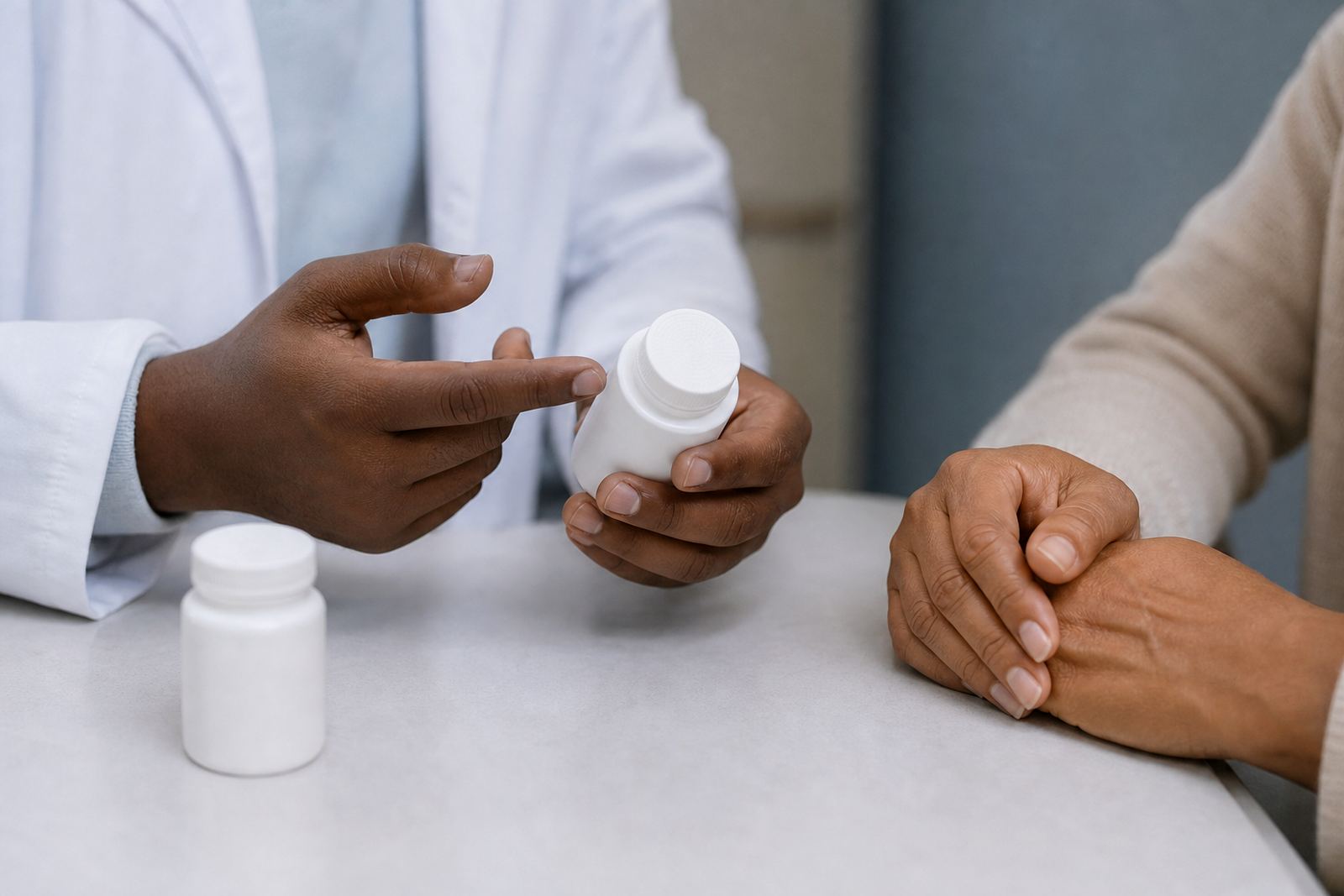
Patients should always speak to their own doctor or pharmacist about their medicines, especially if they are starting, stopping or combining products. That is the safest way to handle a possible enzyme related issue.
How to read CYP450 genetics without overcalling the result
Genetics can be helpful, but only when the interpretation stays within what is actually known. A gene change does not automatically equal a clinical problem. It may suggest a tendency, not a certainty. For that reason, educational material should avoid dramatic language and keep the focus on what the gene result can and cannot tell you.
Good writing on this topic usually separates the science into three parts: the gene finding itself, the enzyme effect that may follow, and the medicine or nutrient pathway that could be involved. If any one of those links is unclear, the conclusion should stay cautious. That helps prevent overinterpretation and supports better discussions in practice.
- Do not treat a gene variant as a diagnosis
- Do not assume the same effect will occur in every person
- Do not ignore other medicines, supplements or health conditions
- Do use the result as one piece of the wider clinical picture
What makes a useful educational brief
A useful brief on genetics and enzymes should be easy to read, accurate and honest about limits. It should define the enzyme pathway, explain the genetics in simple terms, and show where the topic matters in everyday practice. It should also avoid jargon where plain English will do the job.
For South African readers, local relevance matters too. That means using examples that fit real clinic and practice settings, from Bloemfontein to Pretoria, and keeping the language practical enough for a team meeting, journal scan or education session. When the science is presented clearly, it becomes easier for healthcare professionals to discuss medicines with confidence and care.
At the end of any discussion, the safest message is still the same: genetics can inform enzyme activity, but it does not replace clinical judgement. Speak to your own doctor or pharmacist about medicines, especially when CYP450 pathways may be involved.