










What we prepare for practice and teaching
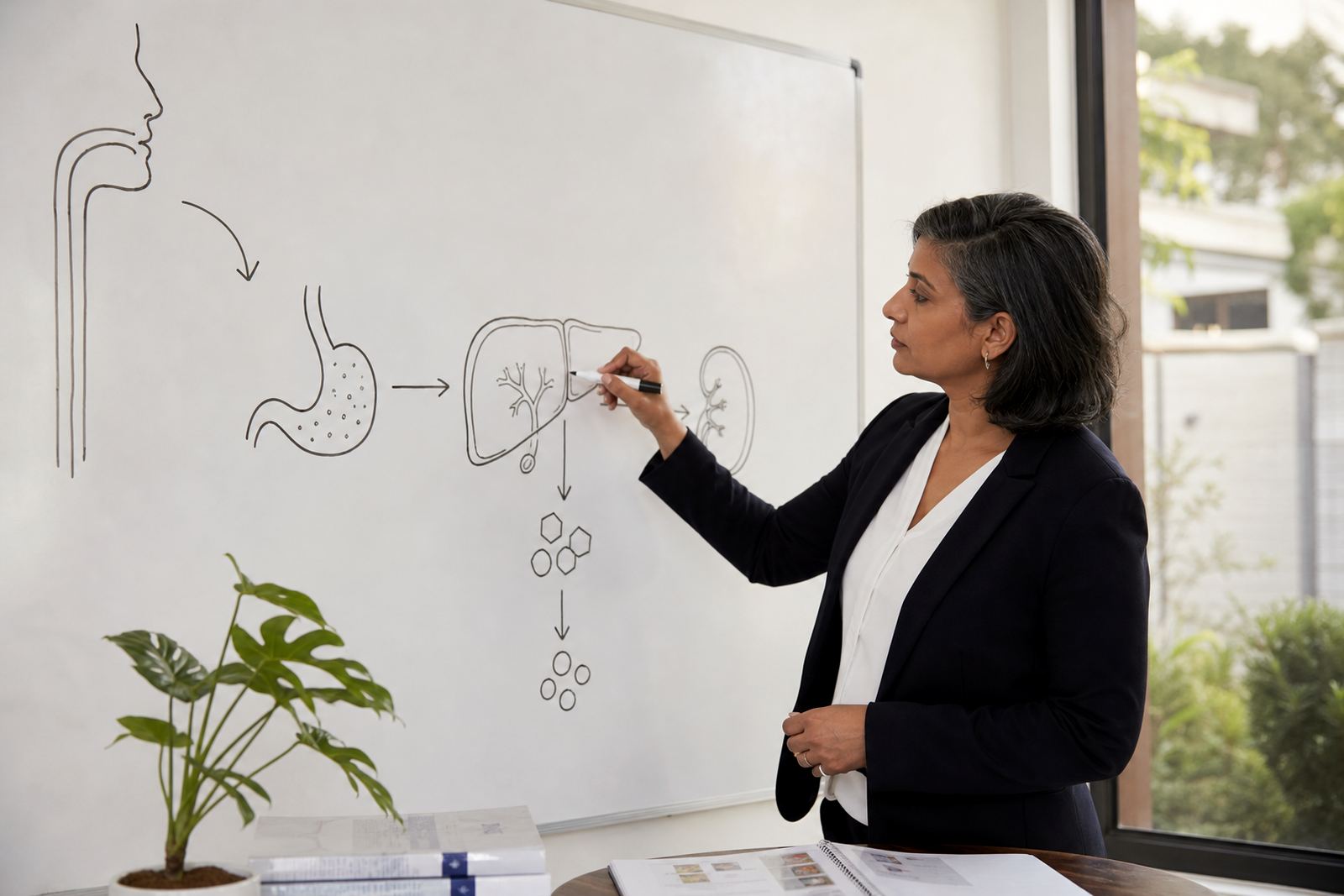
We serve clinicians, pharmacists and wellness practitioners who need CYP450 information that is clear enough to explain to patients, but careful enough for professional use. Some clients come to us with a single interaction question. Others need support for a broader topic such as enzyme genetics, liver metabolism, herbal interaction concerns, or how to frame a complex point for a mixed audience. We keep to general science and avoid personal medical advice, diagnosis or dosing advice.
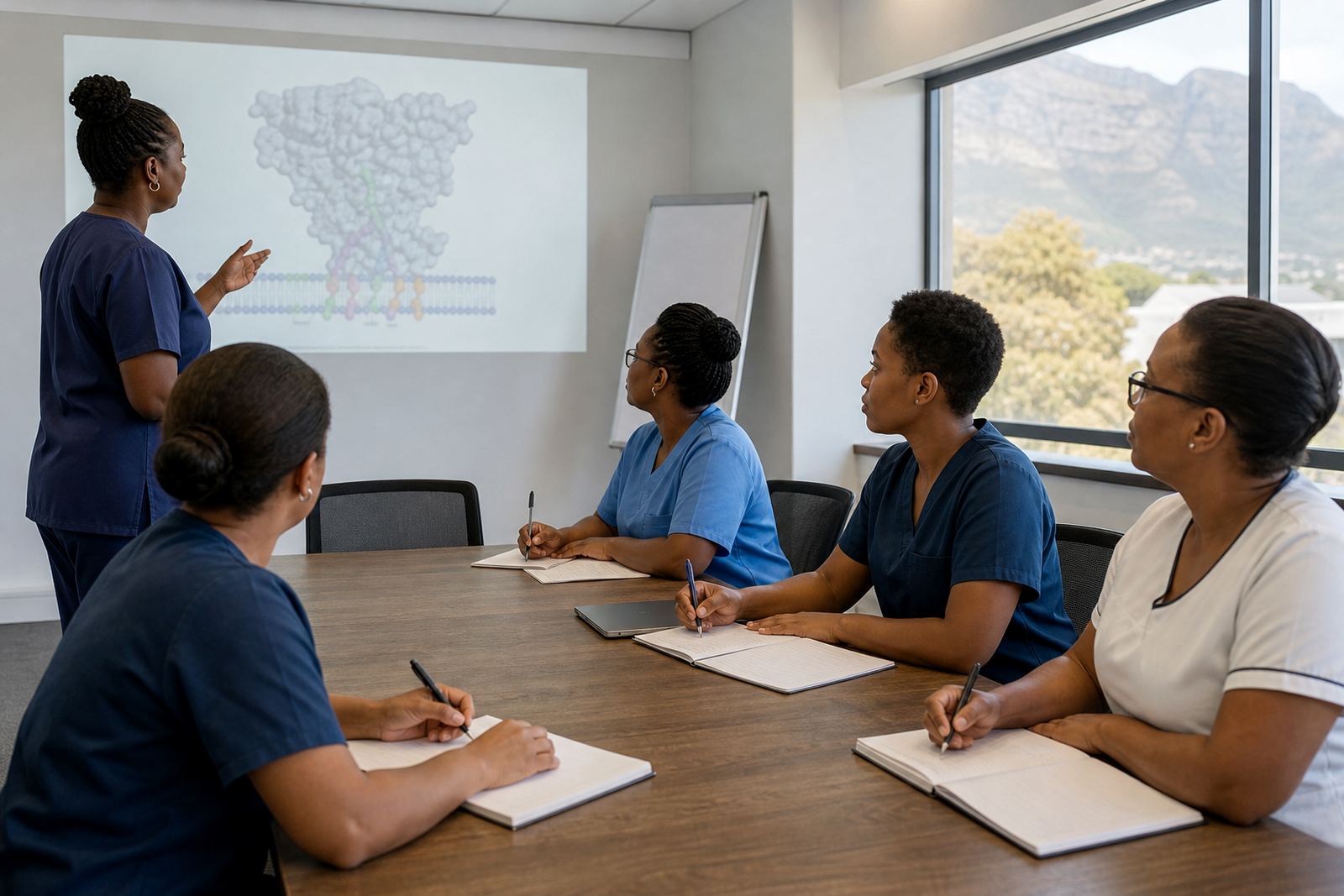
Our work is used by teams in Cape Town and beyond, including Johannesburg, Pretoria, Durban and Bloemfontein. We also support educators who need slide notes, talk outlines, and a plain summary that can be handed to delegates after a session. It saves time when the science has already been checked and the language has already been tightened up, especially when the topic is technical and the room has different levels of background knowledge.
- Clinicians looking for clear enzyme summaries
- Pharmacists reviewing medicine interaction questions
- Wellness practitioners wanting careful background notes
- Training teams needing practical talk material
- Study groups and educators preparing class content
How we handle a brief from first question to final note
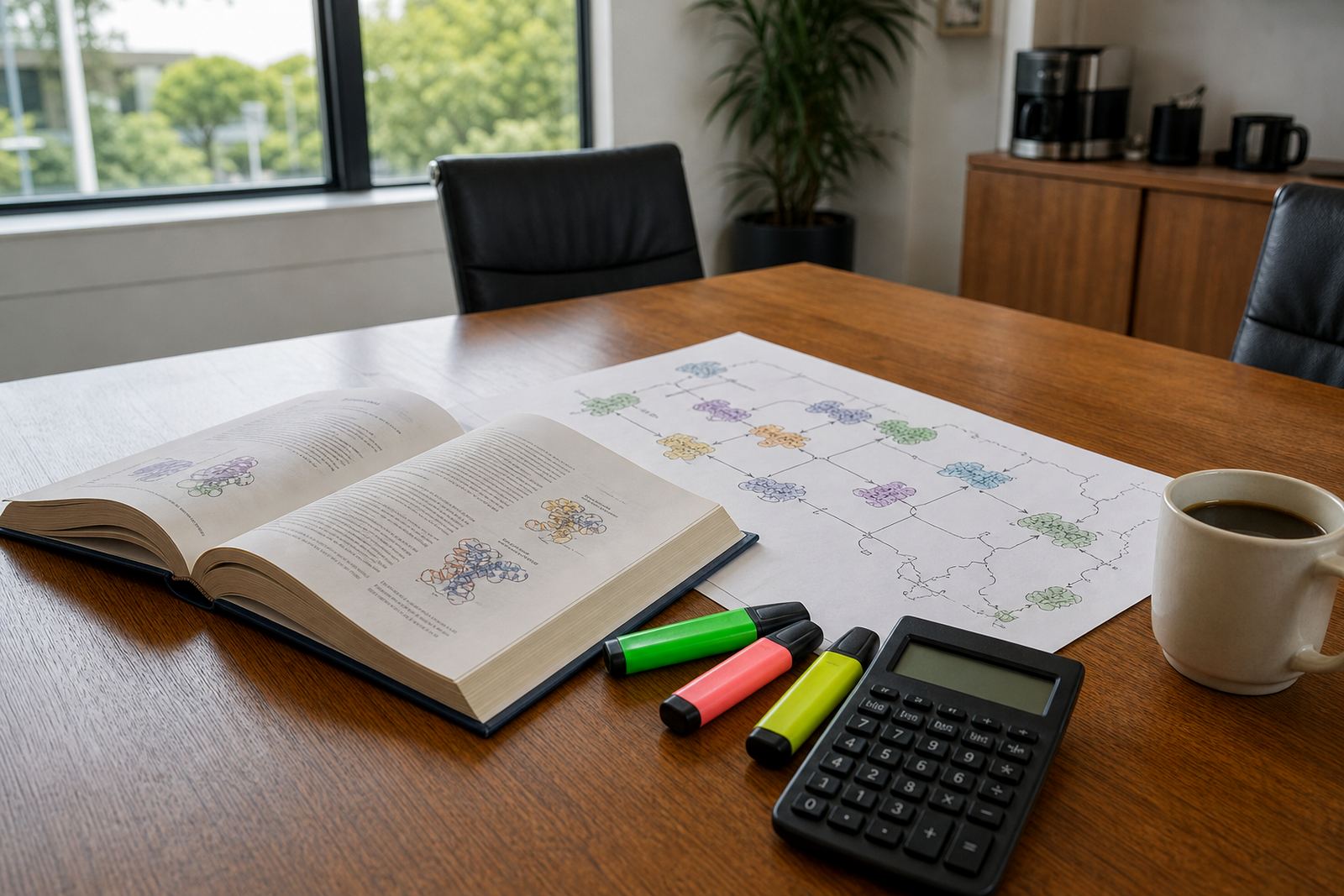
Clients usually start through the enquiry form on our contact page. From there we scope the question, agree the format and confirm the level of detail needed. Some briefs need a short overview; others need a longer review with a reference list and sectioned notes. We work methodically, using established general knowledge and current literature, and we keep the tone plain so the final material can be used without rewriting.
Because CYP450 topics can become dense quickly, we structure each piece for ease of reading. We set out the main enzyme family, the relevant interaction pattern, the practical context and any limitations of the source material. Where a topic is still uncertain, we say so. That careful approach matters to our clients, because it helps avoid overstatement and keeps the focus on what the literature can actually support, not on guesswork or hype.
- Scope the topic and audience first
- Review the relevant literature and notes
- Prepare a plain English draft with references
- Refine wording for accuracy and usefulness
- Deliver a clean final document for internal use