

What the GP group needed in Rondebosch
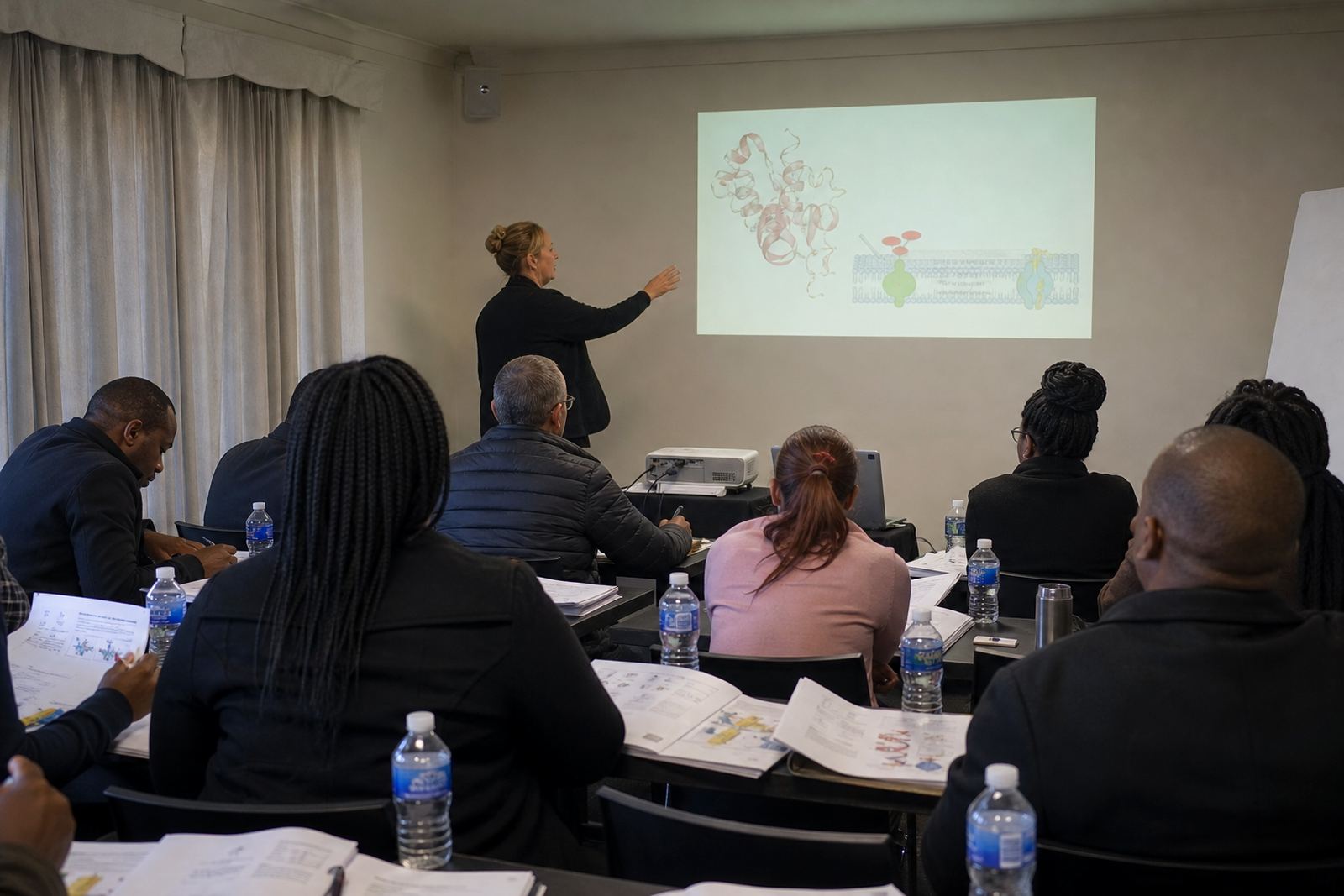
The client was a GP group in the Rondebosch area of Cape Town preparing for a series of internal teaching discussions. Their concern was simple: many patients arrive with long medicine lists, supplements and questions about why one product seems to change the effect of another. The group wanted a literature brief that explained the basics of cytochrome P450 enzymes without overcomplicating the science or drifting into personal treatment advice.
They asked for a short, practical document that could support consultation room conversations and staff learning. The brief had to be suitable for doctors, practice pharmacists and other health professionals, with plain language that still kept the science accurate. It also had to stay within the bounds of accepted general knowledge, so we worked only from established enzyme principles and did not add claims that needed special interpretation.
- Client type: GP group
- Town: Rondebosch, Cape Town
- Project type: literature brief
- Audience: clinicians, pharmacists, wellness practitioners
- Use case: internal education and patient-facing explanation
The brief we prepared
We structured the brief around the core ideas that matter most in everyday practice: what CYP450 enzymes do, why they matter for medicine metabolism, how interactions can happen, and why individual responses vary. The wording stayed careful and neutral, because the goal was understanding rather than interpretation. We also made sure the brief distinguished between enzyme inhibition, induction and the general idea of altered medicine handling, so readers could keep the terms clear in their own notes.
Because the audience was mixed, we used a layered approach. The opening section gave a plain explanation that any clinician could follow. Later sections added more detail for readers who wanted to check the logic behind the summary. That helped the GP group use the same brief in different ways, from a short meeting handout to a reference note for future teaching sessions.
- Focus areas: CYP450 basics, interaction pathways, variability in response
- Format: plain-language literature brief
- Tone: careful, practical, non-promotional
- Scope: general science only, no dosing or diagnosis
What we had to keep out of scope
The client wanted clarity, but not guesswork. We therefore kept the brief away from personal treatment advice, medicine changes and any language that could be read as a directive. We also avoided turning the document into a supplement guide or a product comparison piece, since the request was specifically about enzyme interaction basics. That discipline matters when a practice group is trying to keep its teaching material safe and consistent.
Another constraint was balance. CYP450 topics can quickly become too technical, or too loose if simplified too far. We kept the science intact by describing general pathways and common categories of interaction, while leaving patient-specific decisions to the treating doctor or pharmacist. The result was a brief that could be used in discussion without stepping outside the role of educational support.
- No personal medical advice
- No dosing advice
- No diagnosis or treatment planning
- No unsupported statistics or case claims
What we supplied over the project timeline
The project ran over two weeks. In week one we gathered and reviewed general reference material and mapped the key points into a simple outline. In week two we drafted the brief, tightened the wording for readability, and prepared a cleaner final version for the group to use in teaching. The process was steady and direct, with one main review cycle and a final round of refinement for tone and sequence.
We supplied more than the brief itself. The client also needed support material that would help them keep the same language across staff discussions. So we built the content in a way that could be reused for a journal scan note, a short training talk and future case note development. That saved time for the team and gave them a consistent reference point.
- Week 1: source review and outline
- Week 2: draft, edit and final issue
- Supplied format: brief, summary notes and reference list support
- Use after delivery: meeting prep and clinical education
How the brief helped the practice team
The main result was clarity. The GP group said the material made it easier to explain why certain medicines may need closer attention when enzyme pathways are involved, without overstating what CYP450 science can and cannot tell you. It also gave the team a shared language for talking about interactions with patients who are already juggling multiple prescriptions or over-the-counter products.
For a practice in Cape Town, where patients may move between public and private care and bring in different pharmacy histories, that kind of clear language is useful. It supports better questions in the consultation room and helps staff know when to suggest that a patient speak to their own doctor or pharmacist about a specific medicine combination. The brief was not a treatment tool, but it did give the group a cleaner basis for discussion.
- Clearer staff explanations
- Better consistency in terminology
- Useful for mixed clinical and admin audiences
- Practical support for patient conversations
Why this approach suits South African clinicians
In South Africa, clinicians often need educational material that is short, accurate and easy to revisit between appointments. Load-shedding, full diaries and busy practice days leave little time for long reading. A well set literature brief can do real work if it is written with the right balance of detail and restraint. That is the standard we use for enzyme topics, especially where medicine interactions can affect day to day care.
This project also reflected local working realities in Rondebosch and beyond. The same brief can support teams in Cape Town, Johannesburg, Pretoria, Durban and Bloemfontein because the core science does not change, but the way it is explained must be usable across settings. We kept the language practical enough for a busy morning list, with enough depth to remain useful in a later training talk. It was a neat, focused piece, no fuss and very workable.
Key facts
| Project type | Literature brief for GP education |
|---|---|
| Location | Rondebosch, Cape Town |
| Audience | General practitioners, pharmacists and wellness practitioners |
| Timeline | 2 weeks |
| Scope | CYP450 enzyme basics, drug interactions and plain-language explanation |
| Deliverables | Brief, summary notes, reference list support and reusable teaching copy |