Why nursing teams ask for CYP450 support
Nurses are often the first to hear questions about why a medicine seems to work well for one person and poorly for another. CYP450 enzymes are part of that conversation because they help the body process many common medicines, and they can also be influenced by age, liver function, other medicines, some foods and general health status.
For clinic nursing teams, the need is usually not for a deep pharmacology lecture. It is for a careful, easy-to-follow explanation that can be used when educating patients, flagging possible interaction concerns and deciding when to refer back to a doctor or pharmacist. In busy units from Rondebosch to Soweto, that kind of clarity saves time and reduces mixed messages.
- Support for medicine education at the nursing station
- Plain explanations for referral pathways and handover notes
- Background notes for chronic care, maternal health and HIV medicine discussions
- Team-wide understanding of common CYP450 interaction themes
A practical CYP450 pack for clinic nursing teams usually starts with the basics: what the enzymes do, why some medicines are affected, and what a nurse should watch for in day-to-day patient education. The material is kept general and cautious, with no dosing guidance and no claims beyond established knowledge.
Depending on the brief, the set can include a literature review, a one-page educational brief, a plain-language summary and a short training talk outline. For larger facilities, we can also prepare a reference sheet that matches the clinic flow, so staff can use the same wording during triage, medicine collection days or chronic follow-up visits.
- Literature reviews for internal learning and committee use
- Educational briefs for nurses, enrolled nurses and clinic managers
- Plain-language summaries for patient-facing conversations
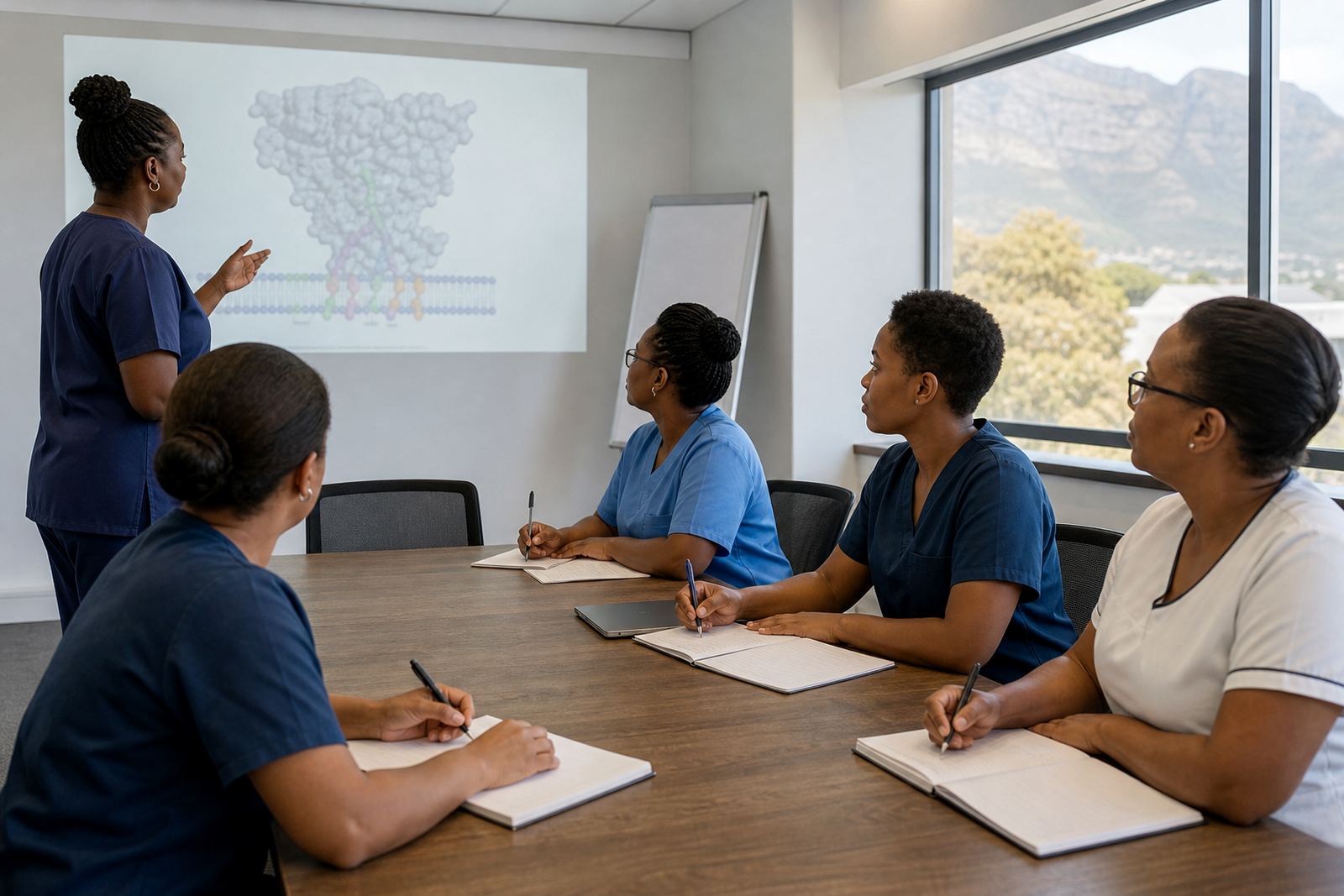
- Training talks and slide deck writing for in-service sessions
- Interaction overviews and case note development support
Good planning matters because nursing teams work within time limits, stock pressure and load-shedding interruptions that can affect meeting rooms, printing and projector use. A useful session is usually short enough to fit around handover, yet focused enough to cover the enzyme points that staff actually need.
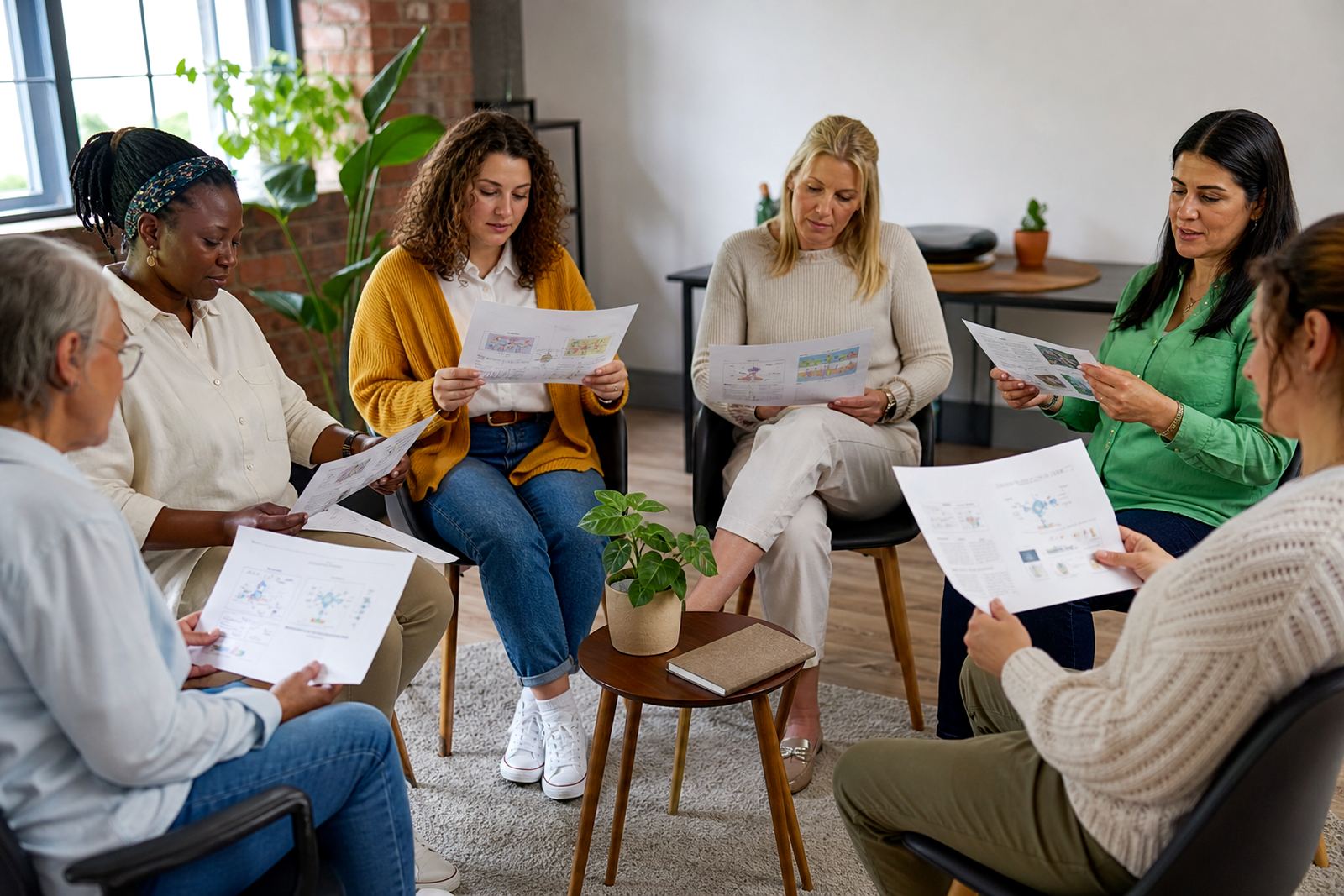
We often suggest building the talk around real clinic movement, not a lecture-style format. That means deciding whether the audience is a small team in Claremont, a district clinic group in Durban, or a wider online audience across Johannesburg, Pretoria and Bloemfontein. The layout should allow questions, because nursing staff often want to check where CYP450 information belongs in the referral path and where it does not.
- Start with one clear objective, such as medicine education or referral support
- Keep slides simple and readable for shared rooms and projector screens
- Allow time for questions on common medicine classes and interaction concerns
- Prepare a printed backup for outages or broken equipment
One common mistake is treating CYP450 information as if it gives a complete answer about a patient. It does not. Enzyme pathways are only one part of the picture, and nurses should avoid turning a general educational point into a personal diagnosis or treatment instruction. Another mistake is using terms that sound exact but are not practical in a clinic setting.
It also helps to avoid overloading a short talk with every possible interaction. Staff need the most relevant examples for the clinic population they serve, whether that is long-term medicine follow-up, maternal care, or chronic disease support. A second pitfall is leaving out the referral step. If a concern is outside the nurse’s scope, the patient needs to know who to speak to next, and that should usually be their own doctor or pharmacist.
We keep the language careful and usable, so the team can explain the issue without sounding alarmist or making promises that the science does not support.
Budget depends on scope, turnaround time and how much source checking is needed. For a small clinic team needing a concise educational brief and one short internal session, budgets often begin around R3,500 to R7,500. For a fuller literature review, a tailored slide deck and a trainer-style briefing, budgets more commonly sit between R8,000 and R18,000.
Multi-site work, such as support for branches in Cape Town, Pretoria, Durban and Bloemfontein, may need a wider reference pack and additional review time, especially if the request covers several medicine groups. That can take the project into the R20,000 plus range. We scope carefully so the team knows what is included before work begins.
Clinic nursing education on CYP450 is often shared across several roles, not just one person. The Managing Director, Dr Luyanda Mbeki, may oversee the overall science direction, while the science writer, clinical analyst and medical content editor shape the wording so it stays clear and careful. Education coordinators and project managers often help match the material to the clinic schedule and audience.
This is useful for practical teaching in facilities that need one common message across different shift teams. It can also help nurses support pharmacists, doctors and other practitioners when a patient asks why a medicine interaction warning matters. For clinics in coastal areas such as Cape Town, humidity, storage pressures and limited room setup can make a simple, well structured handout more useful than a long document.