Why the first-pass effect changes oral medicine exposure
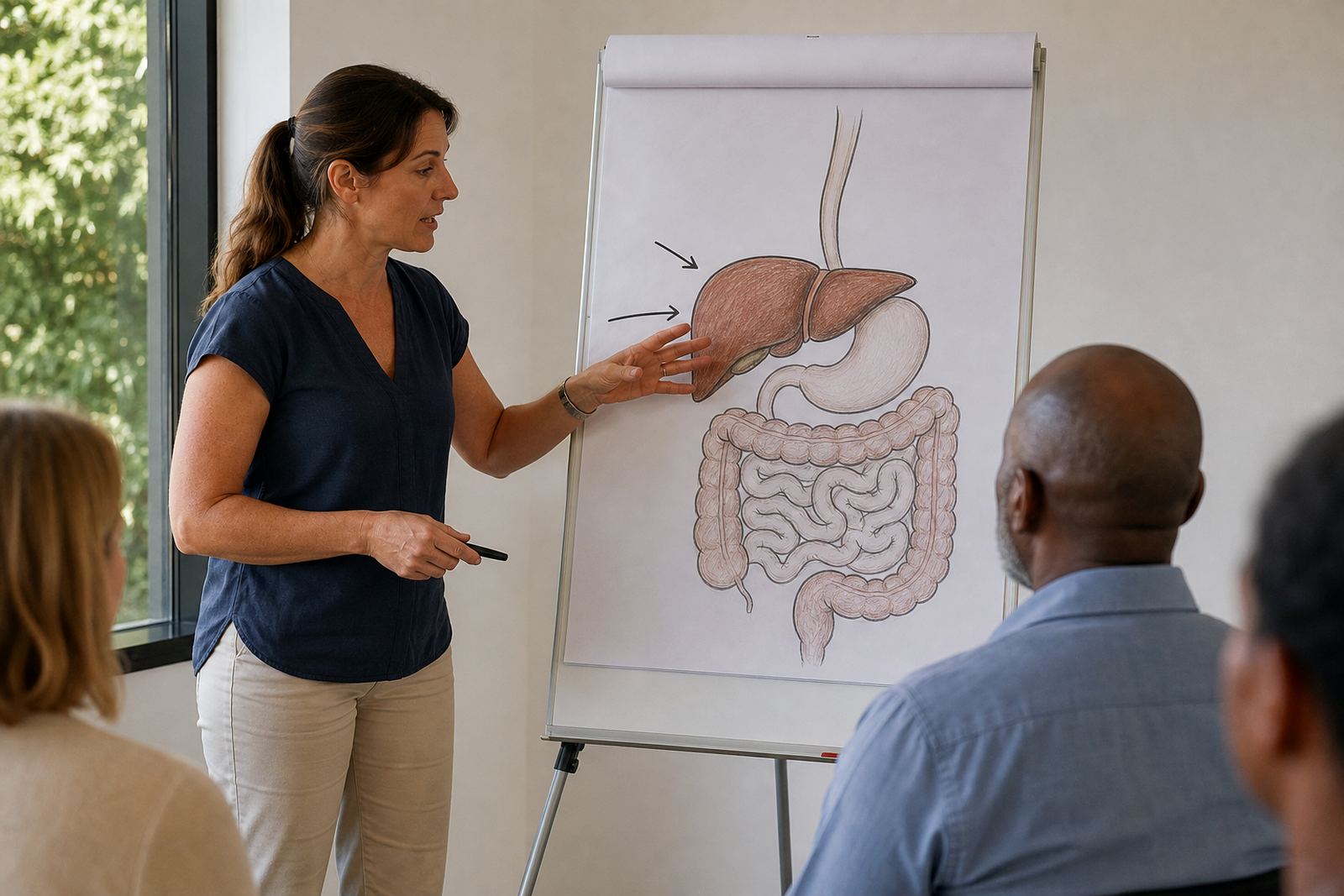
After an oral medicine is taken, it is absorbed from the gut and carried through the portal vein to the liver before reaching the general circulation. During that first trip, gut wall enzymes and liver enzymes can metabolise part of the dose, which is why some medicines have lower bioavailability by mouth than by other routes. CYP450 enzymes are central to this process, especially for medicines that are extensively metabolised in the liver.
This matters because a medicine that works well when swallowed may behave differently when given as a patch, inhaler, injection or sublingual product. The route can alter the amount absorbed, the speed of onset and the size of any interaction with other medicines. That is why route-related metabolism is not a side note, it is part of the core interpretation of the product.
In practice, the first-pass effect helps explain why some oral medicines need careful formulation, and why certain products are not interchangeable simply because they have the same active ingredient. If a patient or client is unsure about a medicine, they should speak to their own doctor or pharmacist before making changes.
How CYP450 enzymes sit between the gut and the liver
CYP450 enzymes are a large family of enzymes involved in drug metabolism, with several key forms active in the liver and some in the intestine. The gut wall can start the metabolic process before a medicine even reaches the liver, which means there are two potential sites for first-pass metabolism. That is part of why two people taking the same oral medicine may not experience it in exactly the same way.
General factors that can affect this pathway include:
- the specific enzyme involved
- the medicine formulation and route
- food in the stomach and gut
- other medicines taken at the same time
- liver function and overall health status
For an educational review, it helps to separate three questions: is the medicine absorbed, is it metabolised during the first pass, and is the metabolite active or inactive? That sequence keeps the discussion grounded and avoids overclaiming. A plain language summary should also remind readers that enzyme activity can vary naturally between people.
Route of administration can change the whole conversation
When reviewing a medicine, the route of administration should be checked before drawing conclusions about CYP450 involvement. Oral products are the classic example of first-pass metabolism, but they are not the only route that matters. Some medicines bypass a large part of the first-pass process, which can make them behave very differently even when the active ingredient is familiar.
Useful route checks include:
- Oral: often most affected by gut and liver first pass metabolism
- Sublingual or buccal: may partly bypass first-pass metabolism
- Transdermal: enters through the skin and avoids the gut
- Inhaled: acts locally in the lungs with limited first pass exposure
- Injected: bypasses the gut completely
A practical example from Cape Town: a clinician may see a patient in Rondebosch using several oral products during winter, including a prescribed medicine and an over the counter preparation. If the patient also starts a wellness product, the question is not only what it contains, but how it is taken and whether it may affect the same metabolic pathway. That is the kind of route-based review that helps keep notes clear for the pharmacist and prescriber.
What to look for when reviewing interactions and metabolism notes
Good CYP450 review work is careful rather than dramatic. It does not assume that every interaction is clinically important, but it does flag combinations that deserve review. This is especially useful for clinicians and pharmacists working with patients who take several medicines, including long-term treatment for chronic conditions.
When preparing an educational brief, a literature review or a case note summary, it helps to answer the same core points each time:
- Which CYP enzyme is involved, if any
- Is the medicine a substrate, inhibitor or inducer
- Does the route increase or reduce first-pass metabolism
- Are there gut level effects as well as liver effects
- Could food, alcohol or another medicine alter exposure
It is also worth noting that not every change in blood level translates into a clear clinical outcome. That is why cautious wording matters. A well written summary should say what is known, what is uncertain, and where the reader should confirm details with the patient’s own healthcare provider. A little restraint makes the science more useful.
Why local context matters in South African practice
South African practice often involves a mix of public sector care, private prescriptions, supplements and self selected products. In Johannesburg, Pretoria, Durban and Bloemfontein, practitioners may see very different medicine histories, but the same first-pass principles still apply. Local context matters because access patterns, health literacy and follow up timing can all influence how a route-related interaction is noticed.
For example, a patient in Durban may ask why a switched formulation feels different, while someone in Pretoria may be using several products bought at different times from different providers. In both cases, the review should stay practical: confirm the route, check the active ingredients, and consider whether first-pass metabolism could be part of the explanation. If there is any uncertainty about a medicine combination, the safest step is to refer the person back to their doctor or pharmacist.
This is also where plain language summaries earn their keep. A clear note helps a clinician explain that the same enzyme system can be involved even when the route changes, but the clinical effect may not be identical. That distinction is often where confusion starts.
How CYP450 Insights structures a clear educational review
Our work focuses on literature reviews, educational briefs, plain-language summaries and training talks for clinicians, pharmacists and wellness practitioners. The aim is to make enzyme pathways readable without stripping out the detail that matters for real decisions. We also prepare journal scans, interaction overviews, team workshops, case note development, slide deck writing, reference list building, curriculum support and content editing.
For route-related metabolism topics, a useful output usually includes:
- a short explanation of the first-pass effect
- the likely CYP enzymes involved
- route-specific considerations
- interaction cautions written in plain English
- a reminder to check medicines with the patient’s doctor or pharmacist
Based in Rondebosch, Cape Town, we support work across Cape Town, Johannesburg, Pretoria, Durban and Bloemfontein. The goal is not to make the science louder, but clearer. In a field where small differences in route can change interpretation, clarity is the service.