What phase one metabolism actually does
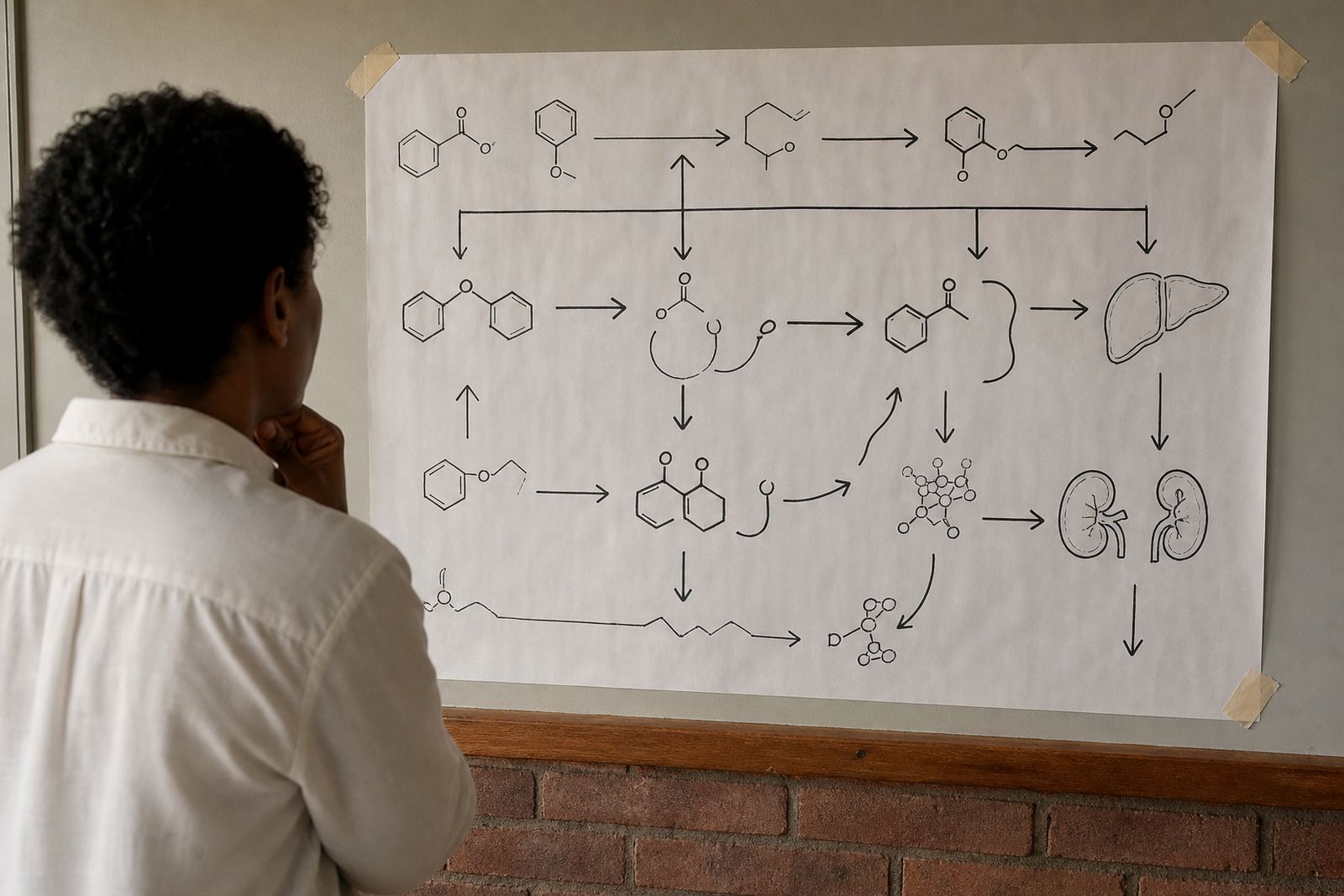
Phase one metabolism is the body’s first chemical pass at many substances, including medicines, some nutrients and environmental compounds. In simple terms, the body adds, removes or exposes certain chemical groups so the substance can be handled more easily in the next step. That next step is often phase two, where the compound is made even more water soluble for elimination.
CYP450 enzymes are a major part of phase one. They sit mainly in the liver, but also in the gut wall and other tissues, and they help transform many common medicines. Not every medicine depends on CYP450 pathways, but for those that do, the speed of the reaction can affect how much active medicine reaches the body. This is why the same tablet can behave differently from person to person.
Where CYP450 enzymes fit in the process
The CYP450 family is not one single enzyme. It is a group of related enzymes, each with its own preferred set of medicines and substances. Some medicines are broken down quickly by one CYP450 pathway and more slowly by another. Some are activated by metabolism, while others are switched off or prepared for removal.
- Some medicines are made less active after phase one.
- Some are turned into an active form that the body can use.
- Some are only one of several routes the body uses to clear them.
- Some foods, herbs and supplements can affect how these enzymes work.
That mix is why a single interaction rarely tells the whole story. A medicine may be influenced by dose, other medicines, liver function, age, genetics, smoking status and even whether the person takes it with food.
Why phase one matters in everyday practice
In daily clinical work, phase one metabolism matters because it helps explain variation in response. A patient may take a standard medicine and have too little effect, too much effect, or more side effects than expected. The underlying reason is not always phase one, but CYP450 pathways are often part of the picture.
For clinicians and pharmacists, the key point is to look for patterns. A long medicine list, repeated treatment failures, unexpected adverse effects or a new supplement can all be clues. In wellness settings, the same logic applies when practitioners review products that may influence medicines already prescribed by a doctor. The safest habit is to ask what else the person is taking, including over the counter products and traditional remedies.
A local example from South African care
Consider a patient in Cape Town who collects medicine from a GP, buys a cough remedy at the pharmacy and also takes a herbal supplement suggested by family. On paper, each item may seem ordinary. Together, though, they can create a metabolic overlap if more than one product uses or changes the same CYP450 pathway.
In a busy clinic in Rondebosch or a community pharmacy in Pretoria, this kind of case is common. The practical response is not to guess. It is to review the full list, check for known interaction risks and confirm the plan with the prescriber or pharmacist. This matters even more when the patient is managing chronic medicines for blood pressure, mood, pain, reflux or asthma, because those treatments often need careful follow-up.
- Ask about prescribed medicines, OTC products and supplements together.
- Check whether a new product was started recently.
- Watch for changes in effect after adding or stopping another item.
- Confirm any medicine changes with the person who prescribed it.
What can shift CYP450 activity
CYP450 activity is not fixed. It can be changed by other medicines, certain foods, smoking, alcohol use, liver disease, age and genetics. Some people naturally make more or less of a given enzyme, which can influence how fast they process certain medicines. That is one reason why two people taking the same treatment may not respond in the same way.
For a South African audience, it is useful to remember that heat, coastal humidity and storage conditions do not change the enzymes themselves, but they can affect how medicines are kept and used in real life. Missed doses, poor storage in a hot room, or confusion about multiple bottles can complicate the picture. The enzyme story is only one part of medicine handling, but it is an important part.
How to use phase one knowledge without overcalling it
Phase one metabolism is a useful framework, but it should not be used to explain every outcome. Not every side effect is an enzyme issue and not every poor response is caused by CYP450. Good practice is to keep the explanation grounded in the medicine list, the patient’s history and the known biology of the pathway. That approach keeps discussions clear and avoids exaggerated claims.
For education teams, the best materials are plain, careful and specific. A short brief can explain which medicines are commonly reviewed, what questions to ask and when to refer back to a doctor or pharmacist. For clinicians and wellness practitioners, the aim is the same: understand the pathway, review the context and avoid assumptions.
- Use CYP450 as one lens, not the only lens.
- Keep interaction reviews tied to a full medicine history.
- Refer complex cases back to the prescribing clinician or pharmacist.
- Do not change medicine use based on enzyme theory alone.
A simple takeaway for teams and patients
Phase one metabolism is the body’s early processing step, and CYP450 enzymes do much of that work for many medicines. When these enzymes run faster or slower than expected, medicine response can shift. The practical answer is careful review, clear communication and a full medication history every time.
If you are unsure how a medicine or supplement may interact, speak to the person who prescribed it or your pharmacist. That is the safest next step, especially when several products are being used at once.