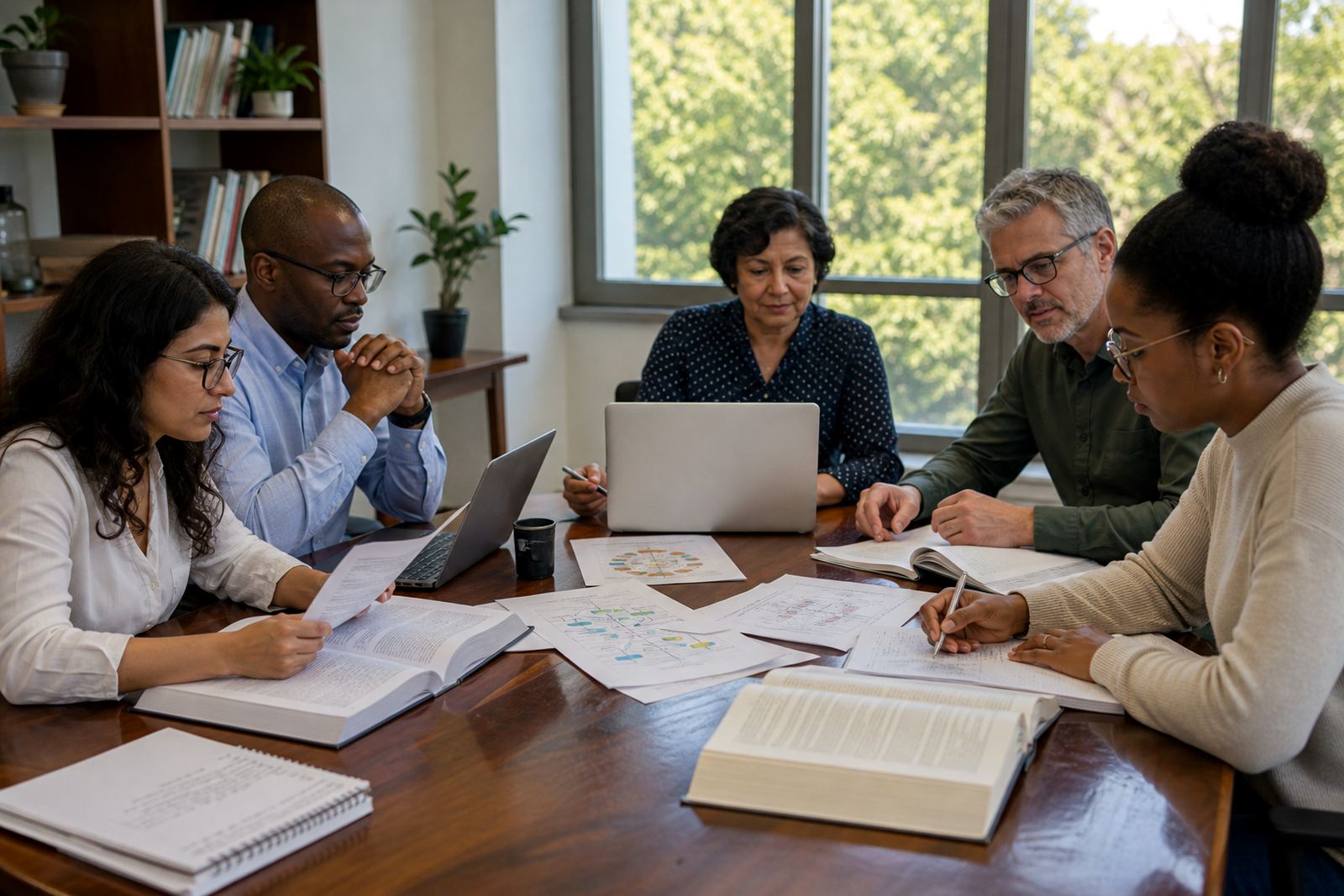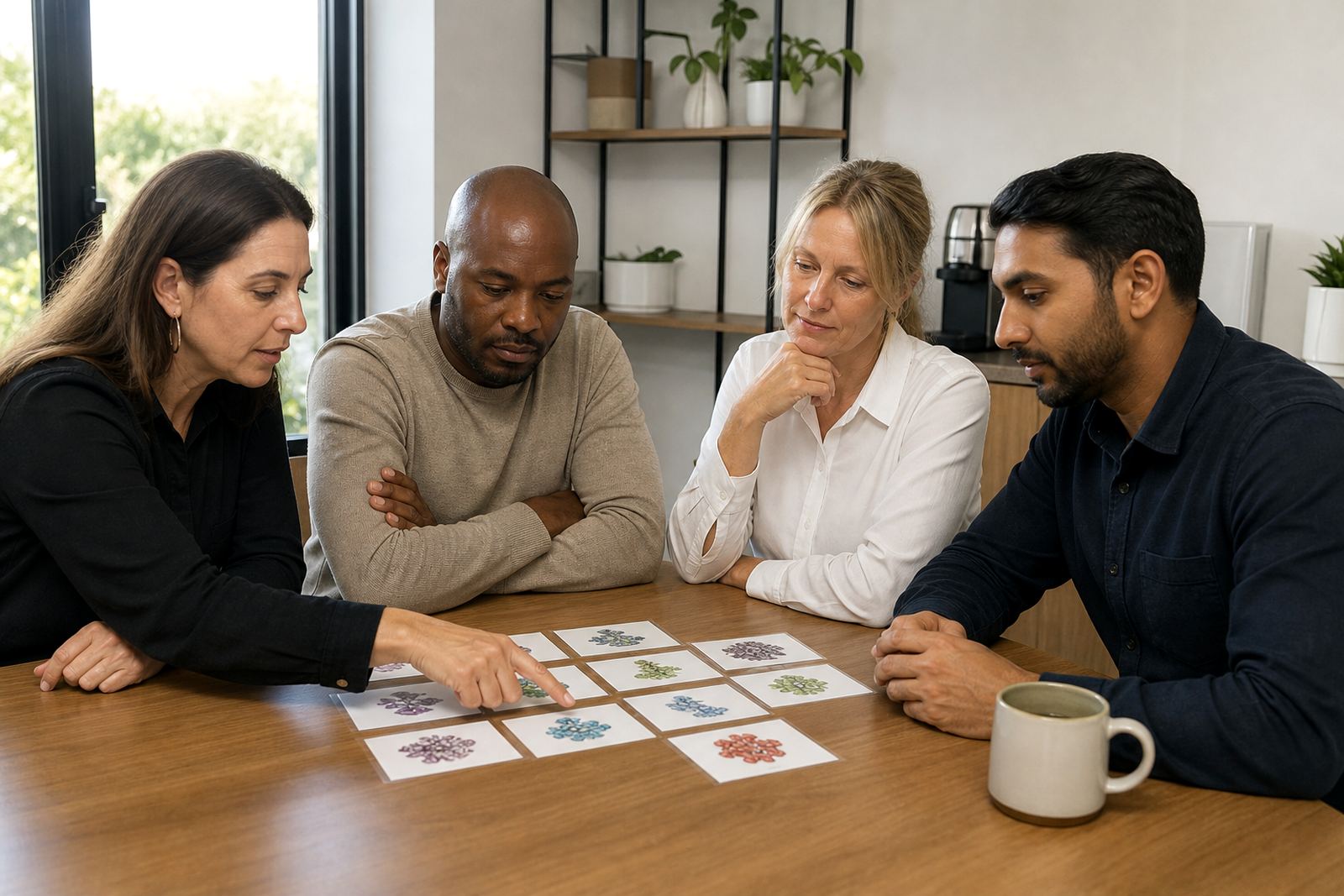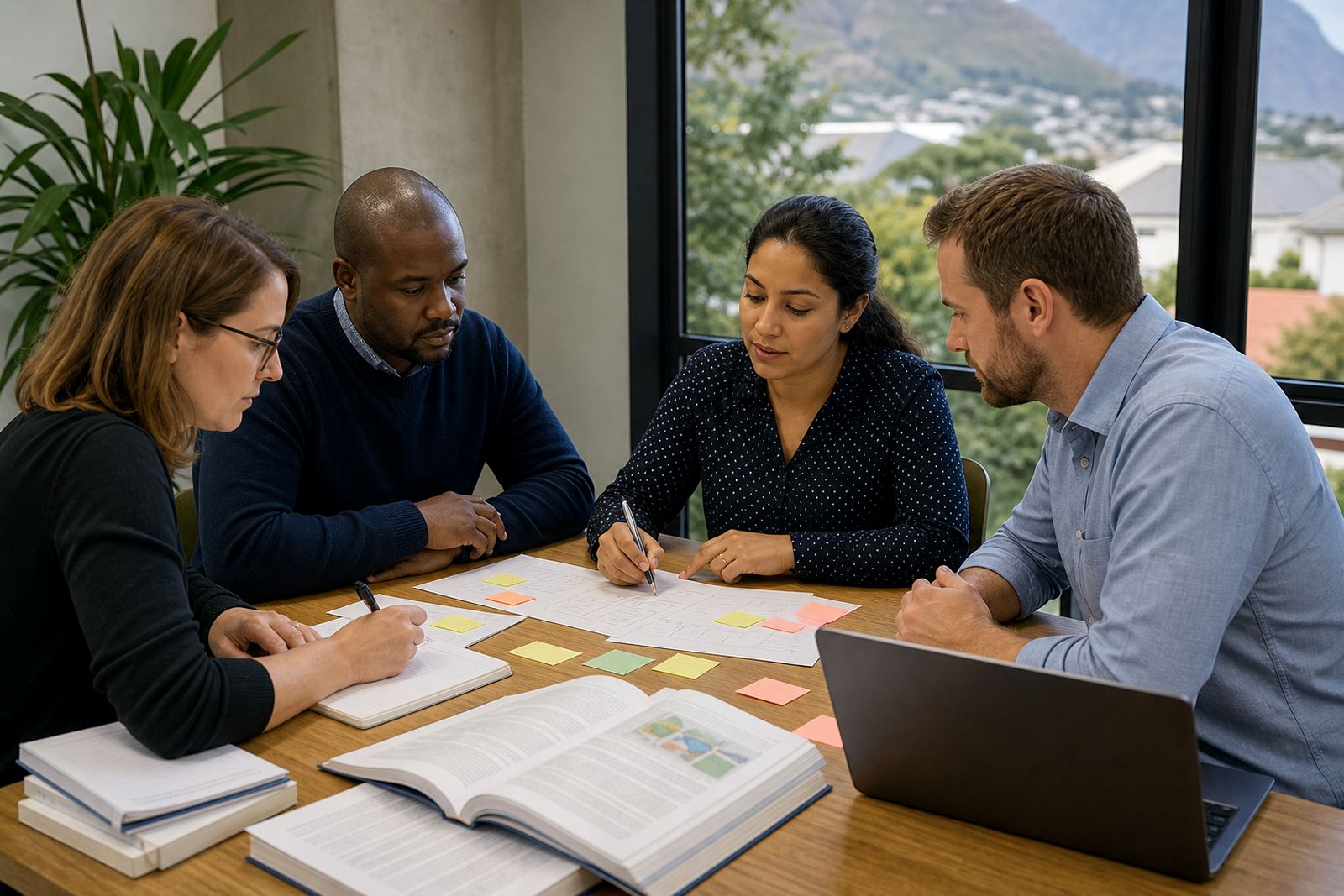
When workplace health teams need CYP450 support
Occupational health teams in Cape Town, Johannesburg, Pretoria, Durban and Bloemfontein are often asked the same practical questions: why does one person report more side effects, why do some medicines need caution with other prescriptions, and how should a company health team explain the basics without overstepping. CYP450 enzymes matter because they help the body process many medicines and other substances, so a general understanding can support better conversations at clinics, HR wellness days and safety meetings.
Our work is for teams that need clear background material, not testing or treatment. We turn the science into plain language for workplace nurses, pharmacists, wellness facilitators and managers who need to speak carefully and stay within scope. The aim is education, not diagnosis. Employees should always speak to their own doctor or pharmacist about their medicines.
What the material usually covers
A typical occupational health brief explains the main CYP450 ideas in a way that can be used in a toolbox talk, induction session or internal memo. We keep the focus on accepted general knowledge only, with no unsupported claims or personal recommendations. The language is direct, because workplace teams need something they can trust and repeat accurately.
- What CYP450 enzymes do in medicine metabolism
- Why some medicines may interact with other medicines, supplements or alcohol
- Why timing, liver health and other health conditions can matter in general terms
- How to flag a possible interaction for review by the employee's doctor or pharmacist
- How to avoid overstating what a brief workplace discussion can and cannot cover
For South African workplaces, this is useful where staff may be taking long-term treatment for blood pressure, diabetes, mood conditions or pain, and where shift work or irregular meals can make medicine conversations more complicated.
Typical setup for a training talk or briefing session
Most workplace sessions do not need complicated equipment. A meeting room in Rondebosch, a boardroom in Sandton or a clinic space in Durban can be enough if the layout is tidy and people can hear clearly. For hybrid sessions, a laptop, stable internet connection, screen, microphone and simple speaker setup are usually sufficient. Printed handouts still help because not every workplace has reliable signal during load-shedding or in older buildings with patchy power backup.
- Projector or large screen for short slide talks
- Microphone for larger groups or noisy industrial sites
- Printed one-page summaries for shift workers
- Attendance register and feedback form for internal records
- Back-up charger or power bank for outages
Layout matters. Keep the seating close enough for people to read terms like enzyme, interaction and metabolism without strain. In some Cape Town office parks, natural light is strong and glare can make screens hard to read, so blinds or a side screen position help. In humid coastal settings, it also helps to protect printed packs from moisture.
How to plan the flow of the session
Workplace health teams get the best results when the material is arranged in a simple order. Start with the basic idea, move into common interaction examples at a general level, then finish with when to refer a person back to their own healthcare provider. That keeps the session practical and avoids drifting into personal treatment advice.
For mixed audiences, such as a site manager, a nurse and a wellness coordinator in the same room, it helps to use short sections and plain terms. A 20 to 30 minute talk with time for questions is often easier to follow than a long lecture. If the group includes shift supervisors from Johannesburg and Pretoria sites, a second short session can work better than one long one, especially where staff changes happen in waves.
We also suggest making room for local policy language. Occupational health teams often need to fit educational material into company wellness rules, referral pathways and record-keeping requirements. That includes knowing when a general comment is enough and when the matter should be sent to the employee's own clinician.
Common mistakes we help teams avoid
The biggest mistake is turning general CYP450 education into personal medical advice. A workplace team can explain that interactions may exist, but it should not tell someone to stop, start or change a medicine. Another common problem is using too much technical language, which leaves staff nodding without understanding the point.
- Treating every medicine interaction as if it is the same
- Using brand names instead of explaining the medicine class or general principle
- Ignoring supplements, herbal products and alcohol in the conversation
- Giving one-size-fits-all answers in a diverse workforce
- Leaving out the step of referral to the person's own doctor or pharmacist
We also see teams rely too heavily on a single handout. That can miss the real issue, which is usually not memory but confidence. A brief, plain-language support pack helps supervisors and wellness staff speak with more care, especially when employees are worried about privacy, sick leave or stigma.
Budget ranges for workplace education support
Budgets vary depending on whether a team needs a short literature summary, a full set of briefs, or a live training talk with supporting notes. A small internal awareness pack may cost less than a multi-site programme that needs custom slides, reference lists and follow-up materials for different departments.
As a general planning guide, workplace teams often look at these ranges:
- Basic plain-language brief: R1 500 to R4 000
- Short literature review with summary notes: R4 000 to R12 000
- Training talk with supporting slides and Q and A notes: R6 000 to R18 000
- Multi-topic programme for several sites: R15 000 to R40 000 or more
Travel, venue hire and printing can shift the total, especially for teams spread across Cape Town, Gauteng and KwaZulu-Natal. If your workplace has a tight learning budget, it often makes sense to start with one core brief and build from there. That gives your team a practical base without paying for content you will not use.
How CYP450 Insights works with occupational health teams
Our base is in Rondebosch, Cape Town, and we support workplaces across South Africa through literature reviews, educational briefs, plain-language summaries and training talks. The work is led by Dr Luyanda Mbeki, with support from Ayesha Daniels, Pieter van Rooyen, Naledi Molefe, Sibusiso Khumalo and Taryn Naidoo. Each project is handled carefully so the final material stays readable, accurate and suitable for a professional setting.
We can also help with journal scans, interaction overviews, case note development, slide deck writing, reference list building, curriculum support and content editing for internal education. If your occupational health team needs a clear CYP450 explainer for staff wellness, use the enquiry form on our contact page and we will take it from there.