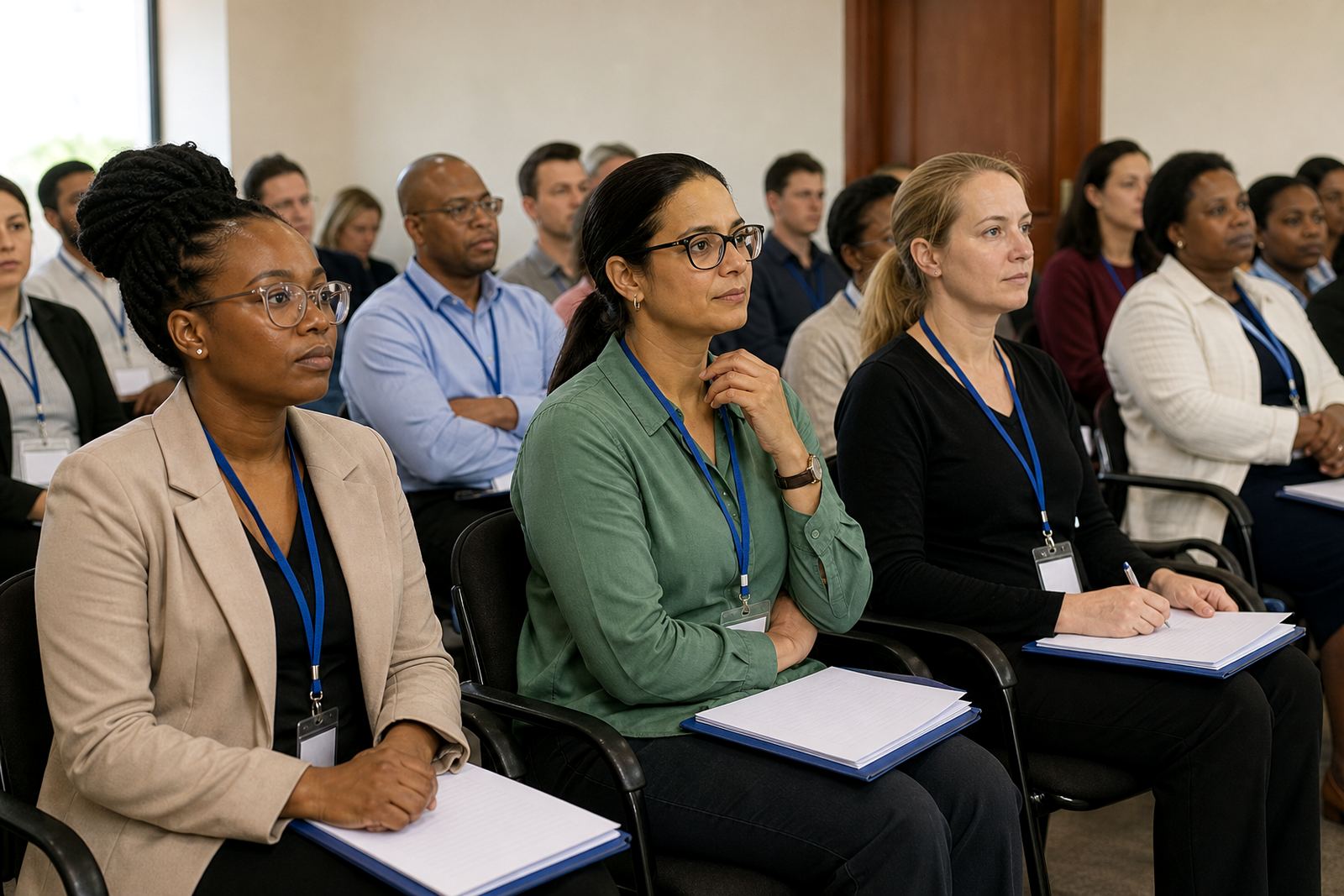
When a patient education unit needs CYP450 support
A patient education unit does not need complex lab equipment to do this work well. What it does need is a steady review process, clear source control and a way to turn technical language into readable material. Most teams start with a small set of tools and a defined approval path so the final wording stays consistent across print, digital and in-room education.
For most briefs and summaries, the practical set includes a computer, stable internet, a shared folder for source files, a printer for review copies and a projector or screen for staff talks. If the unit is preparing for load-shedding or working across different branches, a backup power plan helps keep meetings and edits moving. In Cape Town’s coastal humidity, paper storage and regular file back-ups also matter more than many teams expect.
- Computer and secure document storage
- Reference manager or shared citation system
- Printer, scanner and review copies
- Projector, screen and audio for talks
- Backup power for meetings and deadlines
Layout and planning that keep the message clear
One of the biggest mistakes is turning a careful science topic into a promise. CYP450 enzymes are important, but they do not explain every response to every medicine, and they are only one part of a wider clinical picture. Another common problem is using dense scientific terms without translation. If the reader has to guess what is meant, the education piece has already lost its value.
Teams also run into trouble when they mix general education with personal advice. Public material should explain the idea, not tell someone what to take, stop or change. That decision belongs with the person’s own doctor or pharmacist. A final issue is skipping the source trail. Even a simple leaflet should rest on established, widely accepted knowledge and a checked reference list, so staff can answer follow-up questions with confidence.
- Avoid unqualified claims about medicine response
- Do not present enzyme information as a diagnosis
- Keep the wording separate from personal dosing advice
- Use current sources and an orderly reference list
- Make space for professional review before release
Budget ranges for review, writing and training support
Budgets vary by scope, turnaround time and how many pieces need to be produced. A small update to an existing patient leaflet costs less than a full education pack with source review, rewritten copy and talk notes. For South African clients, it is best to budget in Rand and plan for internal review time as well, because the writing is only one part of the project.
As a practical guide, a short plain-language brief may start from about R3 500 to R7 500, depending on depth and edit rounds. A fuller education pack with literature review, summary notes and reference handling may sit in the R8 000 to R18 000 range. Training talks, curriculum support or multi-section content sets for teams across Cape Town, Pretoria or Durban can move higher, especially if there are several stakeholder reviews or a tight deadline. These figures are planning ranges only, not a quotation.
For organisations managing seasonal clinic pressure or rolling workshop schedules, it can help to split work into phases. That keeps the budget easier to track and gives each piece time for careful checking before it goes into circulation.
How CYP450 Insights supports patient education teams
CYP450 Insights works with clinicians, pharmacists and wellness practitioners who need clear educational support on enzyme pathways. Our role is to turn established science into readable material for patient education units, staff talks and internal learning. The work includes literature reviews, educational briefs, plain language summaries, interaction overviews and reference list building. We also prepare slide decks, case note development and content editing for teams that want consistent wording across different settings.
Because our base is in Rondebosch, Cape Town, we understand the practical realities of South African service delivery, including time pressure, mixed audiences and the need for careful wording in public education. Whether your team is in Claremont, Newlands or farther afield in Johannesburg, Pretoria, Durban or Bloemfontein, the goal stays the same: explain the science clearly, keep the claims restrained and direct people back to their own doctor or pharmacist for personal medicine questions.
If your unit needs an update, a training pack or a plain-language summary, you can reach us through the enquiry form on our contact page.